
Dr. Ramiz Mondal
BVSc. & AH; MVSc. (Veterinary Nutrition)
Small Animal & Exotic Practitioner, Specialist in Veterinary Nutrition & Lifestyle
Registration Number: 3564/WBVC
Introduction:-
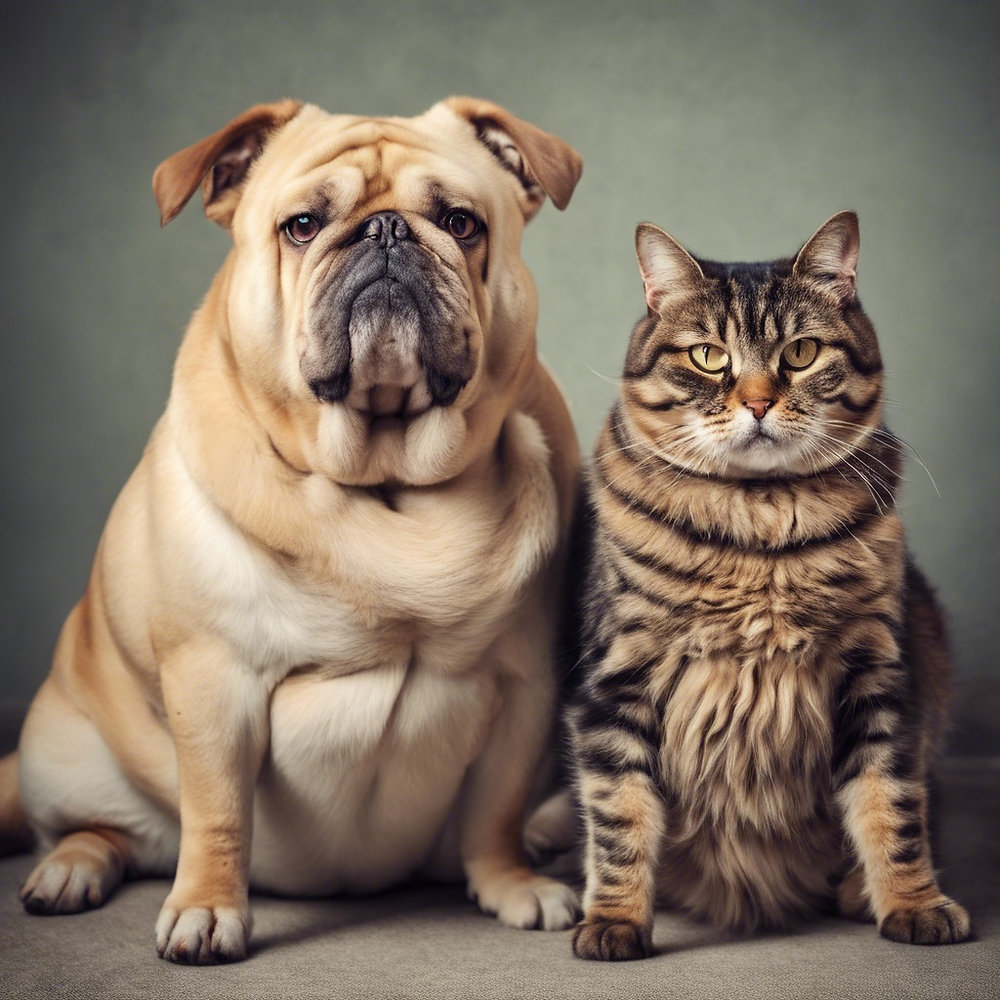
Proper nutrition is essential for maintaining the health, growth, immunity, and longevity of pets. Although dogs and cats share our homes, their nutritional requirements differ significantly. Dogs are omnivores with the ability to utilize nutrients from both animal and plant sources, whereas cats are obligate carnivores that depend more heavily on nutrients naturally found in animal tissues. Understanding these differences helps pet parents choose suitable diets and prevent nutritional deficiencies.
ভূমিকা :-
পোষা প্রাণীর স্বাস্থ্য, বৃদ্ধি, রোগ প্রতিরোধ ক্ষমতা এবং দীর্ঘায়ু বজায় রাখার জন্য সঠিক পুষ্টি অপরিহার্য। যদিও কুকুর এবং বিড়াল আমাদের সাথেই থাকে, তবুও তাদের পুষ্টির চাহিদার মধ্যে উল্লেখযোগ্য পার্থক্য রয়েছে। কুকুর সর্বভুক (omnivore) প্রাণী, যারা প্রাণী ও উদ্ভিদ—উভয় উৎস থেকেই পুষ্টি গ্রহণ করতে পারে। অন্যদিকে, বিড়াল হলো বাধ্যতামূলক মাংসাশী (obligate carnivore), যারা মূলত প্রাণিজ টিস্যুতে প্রাকৃতিকভাবে বিদ্যমান পুষ্টির ওপরই বেশি নির্ভরশীল। এই পার্থক্যগুলো সম্পর্কে ধারণা থাকলে পোষা প্রাণীর মালিকরা তাদের জন্য উপযুক্ত খাবার নির্বাচন করতে পারেন এবং পুষ্টির ঘাটতি রোধ করতে পারেন।
1. Protein Requirements :-
Protein is essential for muscle development, tissue repair, enzyme production, and immune function. Cats generally require more dietary protein than dogs because of their unique metabolism and continuous use of protein for energy.
Cats also need specific amino acids, particularly taurine and arginine. Taurine is crucial for normal heart function, vision, and reproduction. Dogs can synthesize taurine under certain conditions, whereas cats must obtain sufficient taurine from their diet.
2. Fat and Essential Fatty Acids :-
Fat provides concentrated energy, supports cell membranes, and helps the body absorb fat-soluble vitamins. Both dogs and cats require essential fatty acids, but cats have a more limited ability to convert certain fatty acids into their active forms.
Cats require dietary arachidonic acid, while dogs can generally synthesize it from other fatty acids. Therefore, feline diets must be formulated to meet these specific requirements.
3. Carbohydrates and Energy :-
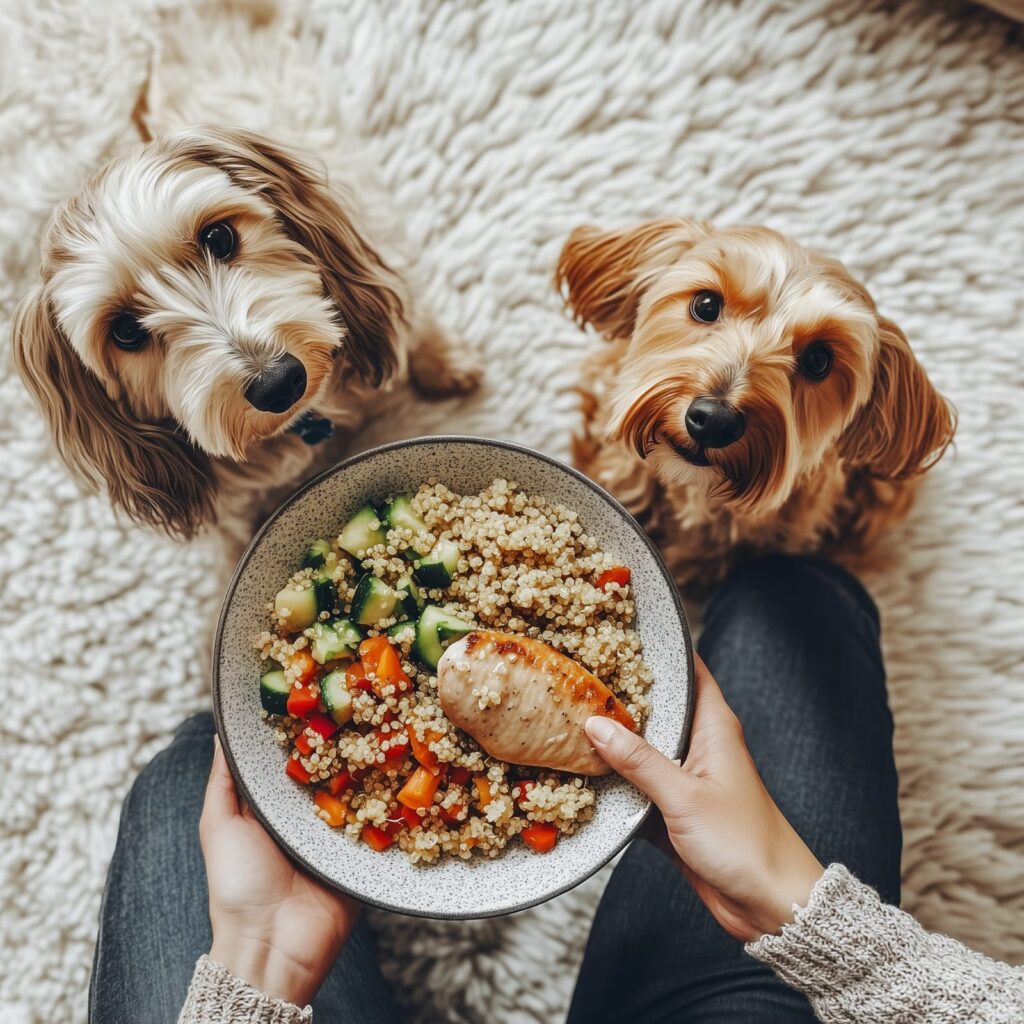
Dogs can digest and utilize properly cooked carbohydrates efficiently. Carbohydrates can provide energy, although they are not considered essential nutrients for healthy dogs when their other nutritional needs are met.
Cats can digest some cooked carbohydrates, but they have a different metabolism and a greater dependence on protein and fat for energy. Neither species should be fed a diet based primarily on carbohydrates without considering overall nutritional balance.
4. Vitamins and Minerals :-
Both species require vitamins and minerals for bone health, metabolism, nerve function, and immunity. However, their requirements for certain nutrients differ.
Cats require preformed vitamin A from animal sources because they cannot efficiently convert beta-carotene into active vitamin A. They also require dietary niacin and taurine in appropriate amounts. Dogs can synthesize niacin from tryptophan to a greater extent and can convert beta-carotene into vitamin A.
Excessive supplementation can be harmful, so vitamins and minerals should be provided in appropriate, species-specific amounts.
5. Water and Feeding Needs :-
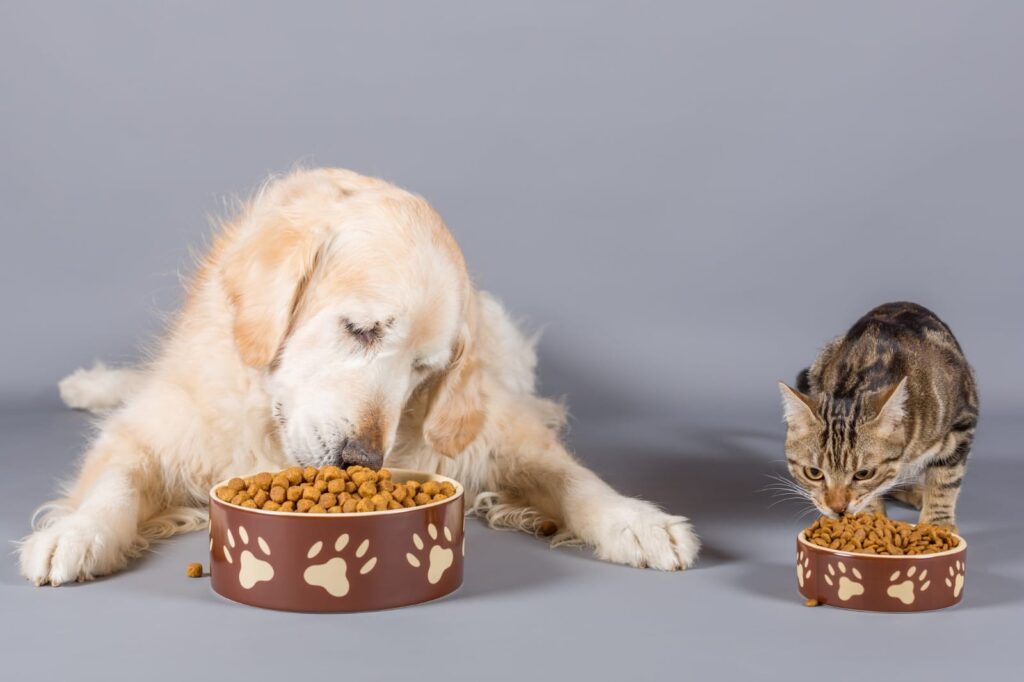
Fresh, clean water must always be available to both dogs and cats. Cats often have a relatively low thirst response, making adequate water intake particularly important. Wet food can help increase their overall water consumption.
Feeding frequency and portion sizes should depend on age, body weight, activity level, reproductive status, and health condition. Kittens and puppies need growth-specific diets, while senior pets may require individualized nutritional management.

১. প্রোটিনের প্রয়োজনীয়তা :-
পেশি গঠন, টিস্যু মেরামত, এনজাইম উৎপাদন এবং রোগ প্রতিরোধ ব্যবস্থার কার্যকারিতার জন্য প্রোটিন অপরিহার্য। বিড়ালের বিপাকীয় প্রক্রিয়া অনন্য এবং তারা শক্তির উৎস হিসেবে ক্রমাগত প্রোটিন ব্যবহার করে, তাই কুকুরের তুলনায় বিড়ালের খাদ্যে প্রোটিনের প্রয়োজনীয়তা বেশি থাকে।
এছাড়াও, বিড়ালের কিছু নির্দিষ্ট অ্যামিনো অ্যাসিডের প্রয়োজন হয়, যার মধ্যে টরিন (taurine) এবং আর্জিনিন (arginine) অন্যতম। হৃদপিণ্ডের স্বাভাবিক কার্যকারিতা, দৃষ্টিশক্তি এবং প্রজনন প্রক্রিয়ার জন্য টরিন অত্যন্ত গুরুত্বপূর্ণ। কুকুর নির্দিষ্ট কিছু পরিস্থিতিতে নিজের শরীরে টরিন তৈরি করতে পারে, কিন্তু বিড়ালকে অবশ্যই খাদ্যের মাধ্যমে পর্যাপ্ত টরিন গ্রহণ করতে হয়।
২. চর্বি এবং প্রয়োজনীয় ফ্যাটি অ্যাসিড :-
চর্বি বা ফ্যাট শরীরকে ঘনীভূত শক্তি জোগায়, কোষের ঝিল্লি (cell membrane) গঠনে সহায়তা করে এবং চর্বিতে দ্রবণীয় ভিটামিন শোষণে সাহায্য করে। কুকুর ও বিড়াল—উভয়েরই প্রয়োজনীয় ফ্যাটি অ্যাসিডের প্রয়োজন হয়, তবে নির্দিষ্ট কিছু ফ্যাটি অ্যাসিডকে সক্রিয় রূপে রূপান্তর করার ক্ষেত্রে বিড়ালের সক্ষমতা বেশ সীমিত।
বিড়ালের খাদ্যে অ্যারাকিডোনিক অ্যাসিড (arachidonic acid) থাকা আবশ্যক, যেখানে কুকুর সাধারণত অন্যান্য ফ্যাটি অ্যাসিড থেকে এটি নিজের শরীরে তৈরি করে নিতে পারে। তাই, বিড়ালের খাবার এমনভাবে তৈরি করা উচিত যাতে এই বিশেষ চাহিদাগুলো পূরণ হয়।
৩. শর্করা (কার্বোহাইড্রেট) এবং শক্তি :-
কুকুর ভালোভাবে রান্না করা শর্করা বা কার্বোহাইড্রেট কার্যকরভাবে হজম ও ব্যবহার করতে পারে। শর্করা থেকে শক্তি পাওয়া সম্ভব; তবে কুকুরের অন্যান্য পুষ্টির চাহিদা পূরণ হলে, তাদের জন্য শর্করাকে অপরিহার্য পুষ্টি উপাদান হিসেবে গণ্য করা হয় না।
বিড়ালও কিছু রান্না করা শর্করা হজম করতে পারে, তবে তাদের বিপাকীয় প্রক্রিয়া ভিন্ন এবং শক্তির জন্য তারা মূলত প্রোটিন ও চর্বির ওপর বেশি নির্ভরশীল। সামগ্রিক পুষ্টির ভারসাম্য বিবেচনা না করে, কোনো প্রাণীর খাদ্যতালিকাকেই মূলত শর্করা-নির্ভর করা উচিত নয়।
৪. ভিটামিন ও খনিজ উপাদান :-
হাড়ের স্বাস্থ্য, বিপাকীয় প্রক্রিয়া, স্নায়ুর কার্যকারিতা এবং রোগ প্রতিরোধ ক্ষমতার জন্য কুকুর ও বিড়াল—উভয়েরই ভিটামিন ও খনিজ উপাদানের প্রয়োজন হয়। তবে, নির্দিষ্ট কিছু পুষ্টি উপাদানের চাহিদার ক্ষেত্রে তাদের মধ্যে পার্থক্য রয়েছে। বিড়ালের শরীরে বিটা-ক্যারোটিনকে কার্যকর ভিটামিন-এ-তে রূপান্তর করার সক্ষমতা খুব কম, তাই তাদের প্রাণিজ উৎস থেকে সরাসরি ভিটামিন-এ গ্রহণ করতে হয়। এছাড়া, তাদের খাদ্যে পর্যাপ্ত পরিমাণে নিয়াসিন (niacin) ও টরিন (taurine) থাকা প্রয়োজন। অন্যদিকে, কুকুর ট্রিপটোফ্যান (tryptophan) থেকে উল্লেখযোগ্য পরিমাণে নিয়াসিন তৈরি করতে পারে এবং বিটা-ক্যারোটিনকে ভিটামিন-এ-তে রূপান্তর করতে সক্ষম।
খাদ্যে অতিরিক্ত পরিপূরক (supplements) যোগ করা ক্ষতিকর হতে পারে; তাই ভিটামিন ও খনিজ উপাদানগুলো প্রতিটি প্রজাতির জন্য নির্দিষ্ট ও উপযুক্ত পরিমাণে সরবরাহ করা উচিত।
৫. পানি ও খাদ্যের প্রয়োজনীয়তা:-
কুকুর ও বিড়াল—উভয়ের জন্যই সবসময় বিশুদ্ধ ও পরিষ্কার পানির ব্যবস্থা থাকা জরুরি। বিড়ালের তৃষ্ণাবোধ সাধারণত কিছুটা কম থাকে, তাই তাদের পর্যাপ্ত পানি গ্রহণ নিশ্চিত করা অত্যন্ত গুরুত্বপূর্ণ। ভেজা খাবার (wet food) তাদের সামগ্রিক পানি গ্রহণের পরিমাণ বাড়াতে সাহায্য করতে পারে।
খাওয়ানোর হার এবং খাবারের পরিমাণ নির্ভর করবে প্রাণীর বয়স, শরীরের ওজন, শারীরিক সক্রিয়তার মাত্রা, প্রজনন অবস্থা এবং সামগ্রিক স্বাস্থ্যের ওপর। বিড়ালছানা ও কুকুরছানার জন্য বিশেষ পুষ্টিসমৃদ্ধ খাবারের প্রয়োজন হয়, আবার বয়স্ক পোষা প্রাণীদের ক্ষেত্রে আলাদা ও সুনির্দিষ্ট পুষ্টি ব্যবস্থাপনার প্রয়োজন হতে পারে।
উপসংহার:-
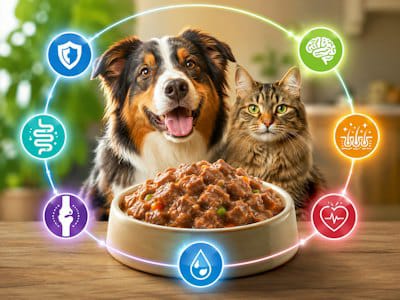
কুকুর ও বিড়ালের পুষ্টির চাহিদা ভিন্ন; তাই এক প্রজাতির জন্য তৈরি খাবার অন্য প্রজাতির ক্ষেত্রে ব্যবহার করা উচিত নয়। বিড়ালের জন্য টরিন ও সরাসরি ভিটামিন-এ-এর মতো কিছু নির্দিষ্ট পুষ্টি উপাদান অপরিহার্য, যার কারণে তাদের জন্য বিশেষভাবে তৈরি খাবার প্রয়োজন। প্রতিটি প্রজাতি ও তাদের জীবনের বিভিন্ন পর্যায়ের উপযোগী, সম্পূর্ণ ও সুষম খাবার নির্বাচন করা—এবং প্রয়োজনে একজন যোগ্য পশুচিকিৎসকের পরামর্শ নেওয়া—পোষা প্রাণীর দীর্ঘমেয়াদী স্বাস্থ্য ও ভালো থাকা নিশ্চিত করতে সাহায্য করে।
পেশাদার পরামর্শ: পোষা প্রাণীর জন্য সবসময় এমন খাবার বেছে নিন যা স্বীকৃত পুষ্টিমান বজায় রেখে তৈরি করা হয়েছে (যেমন—AAFCO বা FEDIAF-এর মানদণ্ড অনুযায়ী)। খাদ্যাভ্যাসে বড় ধরনের পরিবর্তন আনার আগে বা কোনো পরিপূরক (supplement) ব্যবহারের আগে অবশ্যই একজন পশুচিকিৎসকের পরামর্শ নিন।
Conclusion:-
Dogs and cats have different nutritional needs, and one species’ diet should not automatically be used for the other. Cats require certain nutrients, such as taurine and preformed vitamin A, that make a properly formulated feline diet essential. Choosing a complete and balanced food appropriate for the species and life stage, with guidance from a qualified veterinarian when needed, helps support long-term health and well-being.
Professional Note: Always choose pet food formulated to meet recognized nutritional standards, such as those established by AAFCO or FEDIAF, where applicable. Consult a veterinarian before making major dietary changes or using supplements.
