
Types, Symptoms, Diagnosis, Treatment, Management & Diet
A Practical Doctor’s Guide for Pet Parents
Written by Dr. Ramiz Mondal
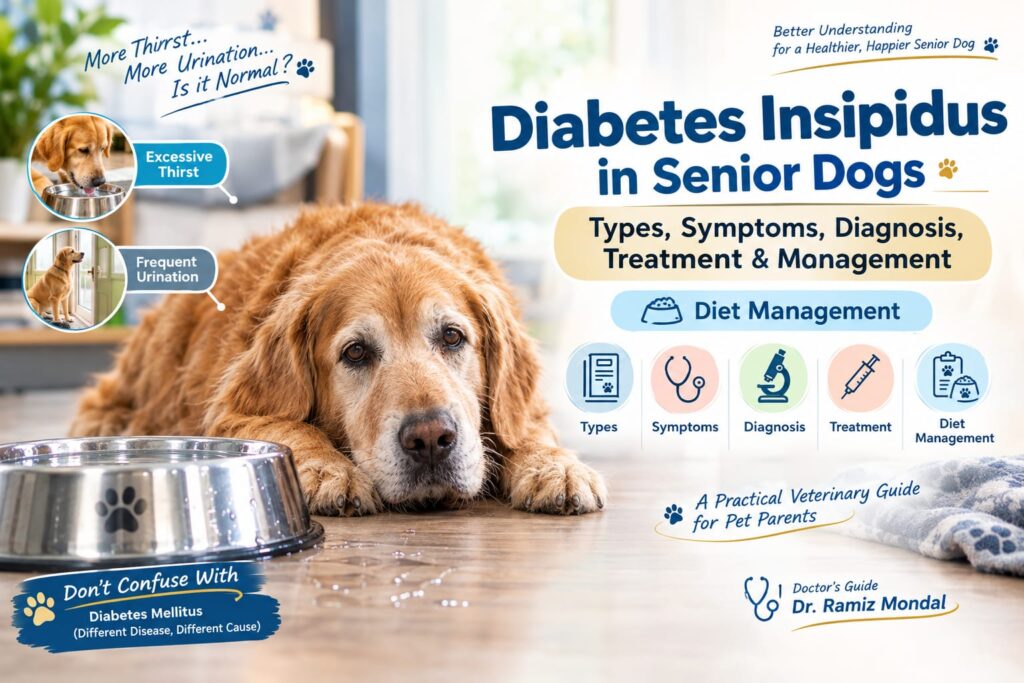
When a senior dog begins drinking much more water and passing unusually large amounts of urine, do not dismiss it as normal ageing. Diabetes insipidus (DI) is a rare disorder of water balance, but other illnesses can cause similar signs. Veterinary testing is essential.
Diabetes insipidus is a disorder in which the body cannot conserve water normally. Antidiuretic hormone (ADH, or vasopressin) helps the kidneys return water to the bloodstream. If too little ADH is produced—or the kidneys do not respond to it—the dog produces large volumes of dilute urine and drinks more to replace lost water.
|
- Types of Diabetes Insipidus
Central Diabetes Insipidus (CDI)
The hypothalamus/pituitary system does not release enough ADH. Possible causes include an unknown cause, head trauma, or disease affecting the pituitary or nearby brain structures.
Nephrogenic Diabetes Insipidus (NDI)
ADH is present, but the kidneys do not respond adequately. It may be inherited or acquired; acquired cases can be associated with certain medicines, electrolyte problems, infections or other underlying diseases.
3. Symptoms Pet Parents May Notice
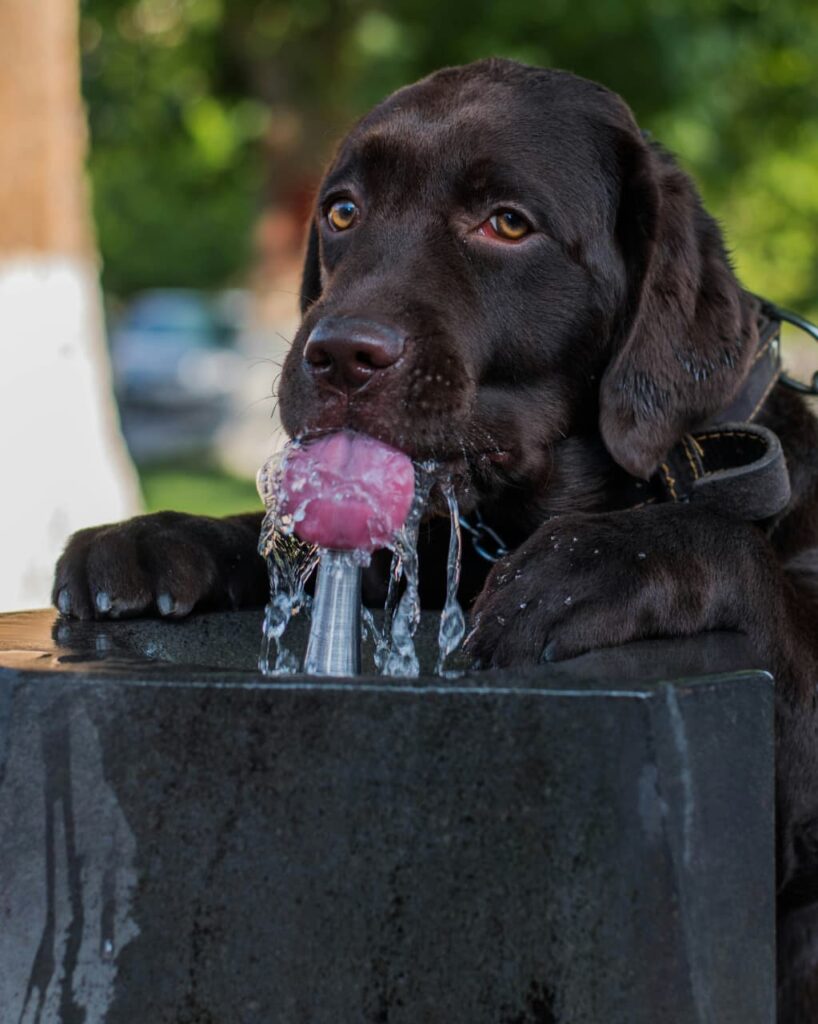
● Drinking far more water than usual.
● Passing large volumes of very dilute urine or needing frequent toilet breaks.
● New indoor accidents or overnight incontinence.
● Restlessness due to frequent urination.
● Dehydration, weakness or reduced alertness if water losses exceed intake.
● Signs of another underlying illness.
These signs are not specific to DI. Kidney disease, diabetes mellitus, Cushing’s disease, liver problems, urinary tract disease and some medicines can also increase thirst and urination.
- Why Senior Dogs Need Careful Assessment
DI is uncommon and can occur at different ages; senior age alone does not confirm it. Older dogs may have other conditions or medication effects that cause similar signs. New or persistent excessive thirst and urination deserves a veterinary appointment.
- Diagnosis
The veterinarian will take a history, examine the dog and investigate common causes first. Depending on the case, tests may include:
- Blood tests for glucose, kidney and liver values, electrolytes and other markers.
- Urinalysis, including urine specific gravity; sometimes urine culture.
- Additional endocrine tests or imaging such as CT/MRI if a pituitary or brain disorder is suspected.
- A carefully selected diagnostic or therapeutic trial, such as a desmopressin trial, when appropriate.
Never attempt a water-deprivation test at home. It can be dangerous and, if considered appropriate, must be planned and closely supervised by a veterinarian. |
- Treatment Options
Central DI
Desmopressin, a synthetic ADH analogue, is commonly used to control central DI. The veterinarian chooses the formulation and adjusts treatment according to the dog’s response and monitoring.
Nephrogenic DI
Management focuses on treating the underlying cause where possible. Depending on the case, a veterinarian may recommend medication and dietary adjustments to reduce urine volume and support water balance. Treatment is individualised.
Do not start, stop or change desmopressin, diuretics or any medicine without veterinary guidance.
- Daily Home Management
- Keep fresh water freely available at all times. Do not restrict water to reduce accidents unless a veterinarian gives a specific, medically supervised instruction.
- Provide frequent toilet breaks and a safe overnight toileting plan.
- Measure and record water intake if requested by your veterinarian.
- Track urine frequency, accidents, appetite, energy and body weight.
- Give prescribed medication exactly as directed and attend follow-up visits.
- Use washable bedding or absorbent pads if needed.
- Seek urgent advice for severe weakness, confusion, collapse, repeated vomiting, inability to drink or signs of significant dehydration.
- Diet Management
There is no single DI diet for every dog. Food choices depend on the confirmed diagnosis, kidney and liver function, electrolyte results, body condition, concurrent diseases and medicines. Diet supports overall health but does not replace treatment.
- Feed a complete and balanced diet suitable for the dog’s age and medical needs.
- Never restrict water as a diet strategy.
- Avoid salty table scraps and very high-salt treats. In some NDI cases, a veterinarian may recommend a lower-sodium diet and other nutritional adjustments.
- Do not independently impose a low-protein, low-salt or homemade therapeutic diet; the right plan depends on the full medical picture.
- Ask the veterinarian before changing to a renal, urinary or prescription diet.
- Monitoring Checklist
- 24-hour water intake, if the veterinarian asks you to measure it.
- Toilet frequency and indoor accidents.
- Appetite, energy, weight and sleep quality.
- Vomiting, diarrhoea, weakness, confusion or behaviour changes.
- Medication timing and possible adverse effects.
- When to Contact a Veterinarian
Arrange a prompt appointment if excessive thirst or urination is new, persistent or worsening. Seek urgent care if the dog cannot access or keep down water, becomes markedly weak or disoriented, collapses, or appears severely dehydrated.
Doctor’s Guide: Key Takeaways
EXCESSIVE THIRST + LARGE VOLUMES OF DILUTE URINE NEED INVESTIGATION. |
Final Thoughts
Diabetes insipidus can be challenging, but many dogs can be managed with the correct diagnosis, an individualised treatment plan and reliable home monitoring. Notice changes early and share clear observations with the veterinarian. Correct diagnosis supports safer medication, suitable diet management and a better quality of life.
References for Further Reading
- Merck Veterinary Manual — Diabetes Insipidus in Animals: https://www.merckvetmanual.com/endocrine-system/the-pituitary-gland/diabetes-insipidus-in-animals
- VCA Animal Hospitals — Diabetes Insipidus in Dogs: https://vcahospitals.com/know-your-pet/diabetes-insipidus-in-
- Merck Veterinary Manual — Pharmacotherapeutics in Diabetes Insipidus: https://www.merckvetmanual.com/pharmacology/systemic-pharmacotherapeutics-of-the-urinary-system/pharmacotherapeutics-in-diabetes-insipidus-in-animals
Educational information only; this article does not replace a veterinary examination or an individual treatment plan.
SEO Publishing Details
SEO Title: Diabetes Insipidus in Senior Dogs: Symptoms, Treatment & Diet
Primary Keyword: diabetes insipidus in dogs
Secondary Keywords: diabetes insipidus symptoms in dogs; senior dog excessive thirst; dog frequent urination; diabetes insipidus treatment; dog DI diet management
Suggested URL: diabetes-insipidus-senior-dogs-symptoms-treatment-diet
Meta Description: Learn the types, symptoms, diagnosis and treatment of diabetes insipidus in senior dogs, with safe home management and diet guidance.
