Dr. Ramiz Mondal
BVSc. & AH; MVSc. (Veterinary Nutrition)
Small Animal & Exotic Practitioner, Specialist in Veterinary Nutrition & Lifestyle
egistration Number: 3564/WBVC
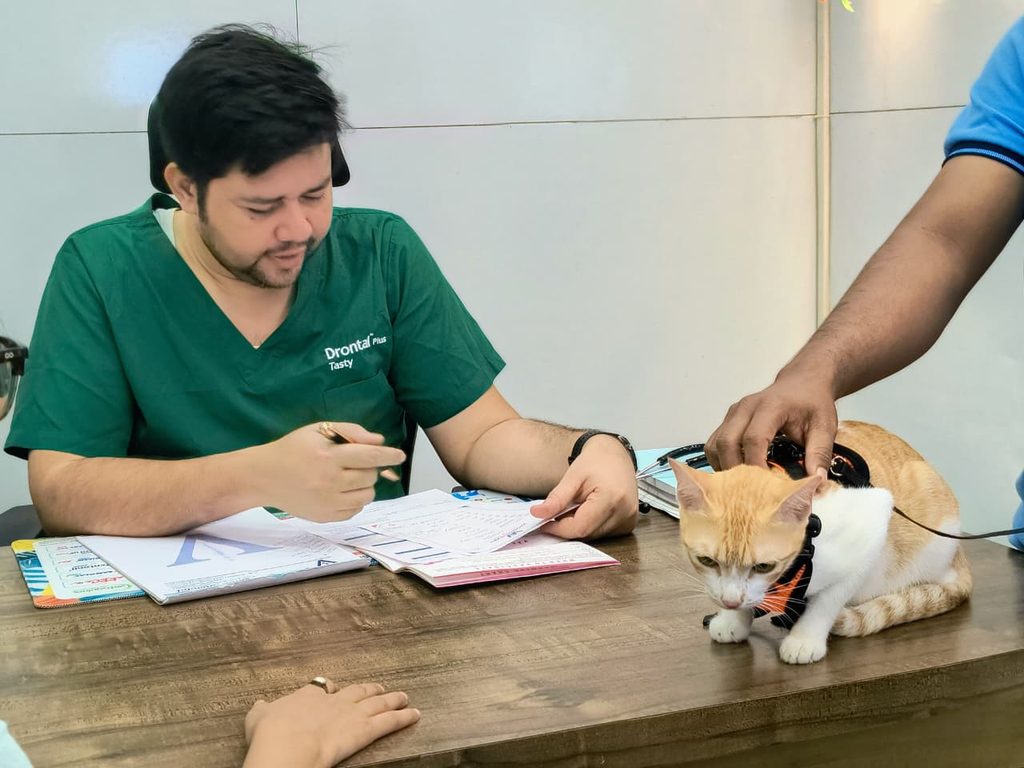
Choosing the right veterinarian is an important decision for every pet parent. A good veterinary professional should provide appropriate medical care while treating both the pet and the pet parent with patience, respect, and compassion. (প্রতিটি পেট প্যারেন্টের জন্য সঠিক ভেটেরিনারিয়ান নির্বাচন করা একটি গুরুত্বপূর্ণ সিদ্ধান্ত। একজন ভালো ভেটেরিনারিয়ান শুধু চিকিৎসা প্রদান করেন না; তিনি পোষ্য প্রাণী এবং তার মালিক—উভয়ের সঙ্গে ধৈর্য, সম্মান ও সহানুভূতির সঙ্গে আচরণ করেন।)
What Should Pet Parents Look For? (পেট প্যারেন্টদের কী কী বিষয় লক্ষ্য করা উচিত?)
1. Professional Qualifications & Registration:-
Pet parents should check the veterinarian’s educational qualifications and applicable professional registration. This helps confirm that the person providing veterinary care has the required professional credentials.
2. Proper Clinical Examination:-
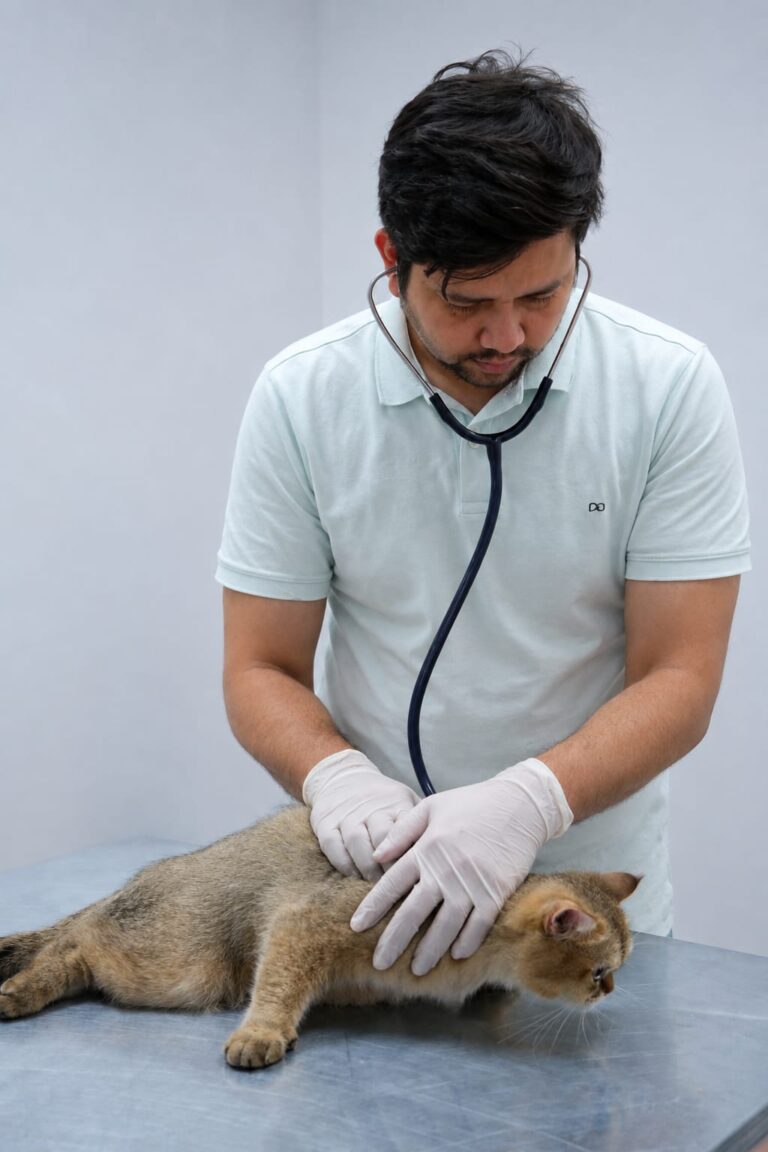
A responsible veterinarian should take a relevant medical history and perform an appropriate physical examination before reaching a diagnosis or recommending treatment. Depending on the case, diagnostic tests may also be necessary.
১. পেশাগত যোগ্যতা ও রেজিস্ট্রেশন :-
ভেটেরিনারিয়ানের শিক্ষাগত যোগ্যতা এবং প্রযোজ্য পেশাগত রেজিস্ট্রেশন যাচাই করা উচিত। এর মাধ্যমে চিকিৎসা প্রদানকারী ব্যক্তির পেশাগত যোগ্যতা সম্পর্কে প্রাথমিকভাবে নিশ্চিত হওয়া যায়।
২. যথাযথ ক্লিনিক্যাল পরীক্ষা:-
দায়িত্বশীল ভেটেরিনারিয়ান সাধারণত পোষ্যের প্রাসঙ্গিক চিকিৎসার ইতিহাস নেন এবং শারীরিক পরীক্ষা করেন। প্রয়োজন অনুযায়ী রক্ত পরীক্ষা, ইমেজিং বা অন্যান্য ডায়াগনস্টিক পরীক্ষার পরামর্শ দেওয়া হতে পারে।
3. Clear Communication:-
The veterinarian should explain the suspected condition, treatment plan, medication instructions, possible risks, and follow-up requirements in language the pet parent can understand. Questions should be welcomed.
4. Compassionate Handling of Pets:-
A professional veterinarian should handle animals carefully and appropriately, paying attention to their comfort, safety, fear, and stress during examination and treatment.
5. Evidence-Based & Responsible Care:-
Treatment should be based on the pet’s individual condition and accepted veterinary medical principles. When necessary, the veterinarian should discuss diagnostic options or recommend referral to an appropriate specialist or emergency facility.
6. Follow-Up & Continuity of Care:-
Good veterinary care includes appropriate follow-up. Pet parents should know what improvement to expect, which warning signs require attention, and when further consultation may be needed.

৩. পরিষ্কারভাবে যোগাযোগ:-
সম্ভাব্য রোগ, চিকিৎসার পরিকল্পনা, ওষুধের ব্যবহার, সম্ভাব্য ঝুঁকি এবং ফলো-আপ সম্পর্কে সহজ ভাষায় বোঝানো গুরুত্বপূর্ণ। পেট প্যারেন্টের প্রশ্ন ও উদ্বেগকে গুরুত্ব দেওয়া উচিত।
৪. পোষ্যের প্রতি যত্নশীল আচরণ:-
পরীক্ষা ও চিকিৎসার সময় পোষ্যের নিরাপত্তা, আরাম, ভয় এবং মানসিক চাপ কমানোর বিষয়টি গুরুত্ব দিয়ে প্রাণীকে যথাযথভাবে পরিচালনা করা উচিত।
৫. দায়িত্বশীল ও বৈজ্ঞানিক চিকিৎসা:-
চিকিৎসা পোষ্যের নির্দিষ্ট শারীরিক অবস্থার ভিত্তিতে এবং স্বীকৃত ভেটেরিনারি চিকিৎসাবিজ্ঞানের নীতিমালা অনুযায়ী হওয়া উচিত। প্রয়োজন হলে উপযুক্ত বিশেষজ্ঞ বা জরুরি চিকিৎসাকেন্দ্রে রেফার করার পরামর্শ দেওয়া উচিত।
৬. ফলো-আপ ও ধারাবাহিক চিকিৎসা:-
চিকিৎসার পর পোষ্যের কী ধরনের উন্নতি প্রত্যাশিত, কোন লক্ষণ দেখা দিলে দ্রুত যোগাযোগ করতে হবে এবং কখন পুনরায় পরীক্ষা দরকার—এসব বিষয়ে পরিষ্কার নির্দেশনা থাকা গুরুত্বপূর্ণ।
Building Trust With Your Veterinarian :-
Trust develops through professional competence, honesty, communication, transparency, and consistent care. No veterinarian can guarantee a particular outcome in every case.