
A Practical Veterinary Guide for Responsible Pet Parents
Written by Dr. Ramiz Mondal
When Vomiting Is More Than Just an Upset Stomach
Vomiting is one of the most common health problems pet parents notice in dogs, but it is also one of the symptoms that can be easily misunderstood. A dog may vomit after eating too quickly, consuming something unsuitable, experiencing a sudden dietary change, or developing a temporary stomach upset. In other situations, however, vomiting can be an early warning sign of a much more significant problem involving the gastrointestinal tract, pancreas, liver, kidneys, infections, toxins, foreign-body obstruction, or other underlying conditions. This is why the important question is not simply “Why did my dog vomit?”, but rather “What is the pattern of vomiting, what other signs are present, and how is my dog behaving between episodes?” A single episode in an otherwise bright, comfortable dog may have a very different significance from repeated vomiting accompanied by weakness, abdominal discomfort, loss of appetite, dehydration, blood, or abnormal behaviour. Understanding these differences can help pet parents respond appropriately instead of relying on guesswork or home remedies.
What Exactly Is Vomiting?
Vomiting is an active process in which the stomach and upper digestive tract forcefully expel their contents through the mouth.
It is different from regurgitation.
Vomiting is usually preceded by nausea, drooling, lip licking, retching, abdominal contractions or restlessness.
Regurgitation is generally more passive and may happen suddenly without obvious nausea or abdominal effort.
This distinction can be clinically useful because vomiting and regurgitation can have different underlying causes.
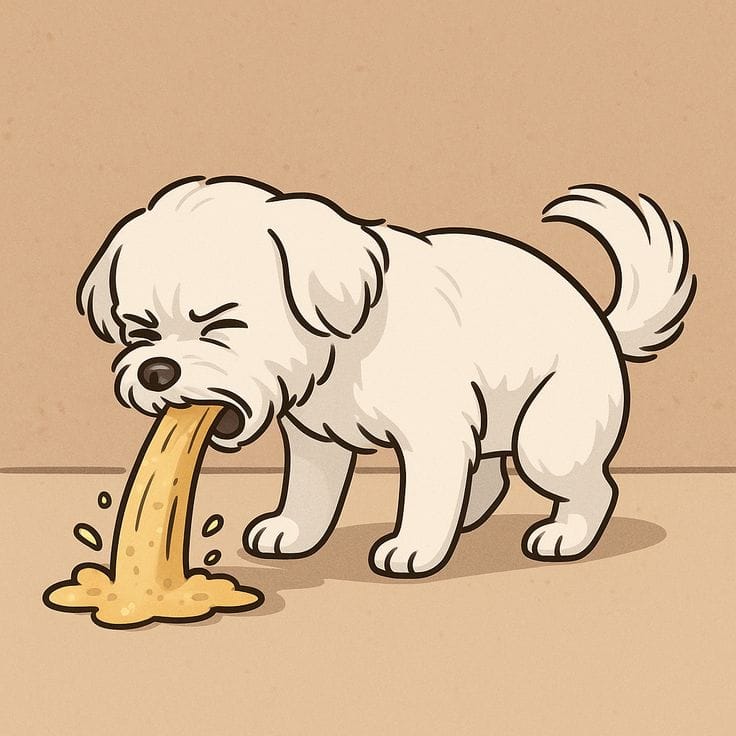
Why Do Dogs Vomit?
There is no single cause of vomiting in dogs. Some causes may be relatively minor, while others require urgent investigation.
Common possibilities include:
Dietary Upset
Dogs may vomit after eating spoiled food, table scraps, unfamiliar foods, excessive treats or suddenly changing their diet.
Eating Too Quickly
Some dogs consume their food extremely fast and may subsequently vomit or regurgitate.
Gastrointestinal Problems
Gastritis, intestinal inflammation and other digestive disorders can cause vomiting, sometimes along with diarrhoea, abdominal discomfort or reduced appetite.
Parasites or Infections
Certain gastrointestinal parasites and infections can cause vomiting, particularly in puppies and dogs that have not received appropriate preventive care.
Foreign Body
Dogs can swallow toys, bones, cloth, plastic or other objects. A gastrointestinal obstruction can become a serious medical emergency.
Toxins
Certain household substances, medications, chemicals and inappropriate foods can be dangerous to dogs.


Other Medical Conditions
Vomiting may also occur with conditions affecting organs such as the pancreas, liver or kidneys, among other systemic diseases.
The cause cannot always be determined from vomiting alone.
When Can Vomiting Be Concerning?
Pet parents should pay attention to the frequency, severity and accompanying symptoms.
Seek veterinary advice promptly if your dog has:
- Repeated or persistent vomiting
- Blood in the vomit
- Severe lethargy or weakness
- Refusal to eat or drink
- Signs of abdominal pain
- Significant diarrhoea
- Difficulty standing or walking
- Signs of dehydration
- A swollen or painful abdomen
- Suspected toxin ingestion
- Suspected foreign-body ingestion
- Repeated unproductive retching
- Sudden deterioration in overall condition
A particularly important warning:
If a dog repeatedly tries to vomit but produces little or nothing, especially when accompanied by abdominal enlargement, restlessness or discomfort, do not wait for the condition to resolve at home. Seek urgent veterinary care.

Puppies Need Extra Attention
Vomiting in puppies deserves particular attention because young dogs can become dehydrated and weak more quickly than healthy adult dogs.
Puppies may also be more vulnerable to infectious diseases, parasites, dietary problems and ingestion of inappropriate objects.
A puppy that is repeatedly vomiting, becoming unusually quiet, refusing food, developing diarrhoea or showing weakness should be assessed by a veterinarian rather than being managed only with home remedies.
What Should You Do at Home?
The appropriate response depends on the dog’s age, health status, frequency of vomiting and suspected cause.
Do:
- Keep your dog in a calm, comfortable environment.
- Observe the frequency and appearance of vomiting.
- Note whether your dog is drinking, urinating and behaving normally.
- Inform your veterinarian about anything unusual your dog may have eaten.
- Keep potentially toxic substances and small objects away from your pet.
Do Not:
- Give human medicines without veterinary advice.
- Force-feed a vomiting dog.
- Give random antibiotics or anti-vomiting medicines.
- Assume every episode is simply “gas.”
- Delay veterinary care when red-flag symptoms are present.
Home management should never replace professional assessment when the dog’s condition is worsening or the cause is uncertain.


What Information Should You Tell Your Veterinarian?
A good history can make the veterinary consultation much more useful.
Try to remember:
- When did the vomiting start?
- How many times has your dog vomited?
- What did the vomit look like?
- Was there food, foam, bile or blood?
- Did your dog eat anything unusual?
- Is there diarrhoea?
- Is your dog drinking and urinating normally?
- Is your dog active or unusually quiet?
If possible, a photograph or video of the episode can also provide useful information for the veterinarian.
Why Diagnosis Matters
Vomiting is a symptom, not a diagnosis.
Depending on the dog’s history and physical examination, a veterinarian may recommend observation, hydration support, blood tests, stool testing, imaging or other diagnostic procedures.
The appropriate investigation depends on the individual patient.
This is why treating vomiting blindly with medication can sometimes delay the diagnosis of the actual underlying problem.
A Simple Rule for Pet Parents
ONE EPISODE ≠ EVERY CASE IS AN EMERGENCY But: |
Instead of focusing only on the vomiting itself, look at the whole dog—their energy, appetite, hydration, behaviour, abdomen, stool and overall condition.

Final Thoughts
Vomiting is common in dogs, but “common” does not always mean “harmless.” The significance of vomiting depends on the dog’s age, medical history, frequency of episodes, associated symptoms and possible underlying cause. Responsible pet care is not about becoming your dog’s doctor at home; it is about recognizing changes early, avoiding unsafe self-medication, recording useful information and knowing when professional veterinary assessment is necessary. When vomiting is persistent, severe,
recurrent or accompanied by other warning signs, timely veterinary attention can be important for identifying the underlying problem and preventing complications.

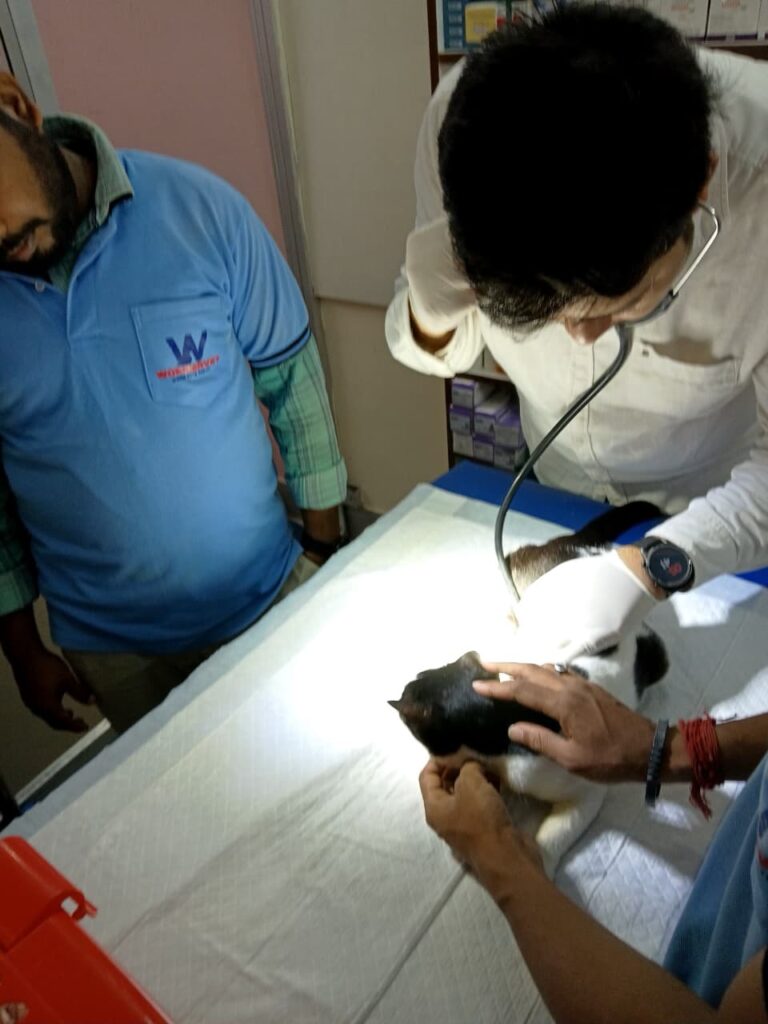
Doctor’s Note
“As pet parents, you know your dog’s normal behaviour better than anyone. When something changes—especially appetite, energy, hydration or behaviour—do not ignore that change simply because vomiting may appear to be a common problem. Careful observation, timely consultation and appropriate diagnosis are important parts of responsible pet healthcare.” — Dr. Ramiz Mondal Dr. Ramiz Mondal, BVSc. & AH; MVSc. (Veterinary Nutrition) Small Animal & Exotic Practitioner, Specialist in Veterinary Nutrition & Lifestyle Registration Number: 3564/WBVC |
SEO Setup SEO Title: Dog Vomiting: Common Causes, Warning Signs & When to See a Veterinarian Primary Keyword: dog vomiting Secondary Keywords: dog vomiting causes, why is my dog vomiting, dog vomiting treatment, dog vomiting emergency, when to see a vet for dog vomiting Meta Description: Why is your dog vomiting? Learn the common causes of dog vomiting, warning signs, emergency symptoms, home-care precautions and when veterinary attention is necessary. Suggested URL: dog-vomiting-causes-warning-signs-when-to-see-vet |
Lorem ipsum dolor sit amet, consectetur adipiscing elit. Ut elit tellus, luctus nec ullamcorper mattis, pulvinar dapibus leo.
