
Common Causes, Warning Signs & When to See a Veterinarian
A Practical Veterinary Guide for Responsible Pet Parents
Written by Dr. Ramiz Mondal
|
Diarrhea is one of the most common digestive problems seen in dogs. It may develop after a sudden change in food, eating something unsuitable, stress, parasites, infection, medication or an underlying medical condition. A short episode may settle with careful observation, but repeated diarrhea can quickly lead to dehydration and weakness. Age, appetite, energy, hydration, stool appearance and accompanying signs are all important. |
- What Is Diarrhea in Dogs?
Diarrhea means passing stools that are softer, more watery or more frequent than normal. Color, mucus, blood, smell and frequency may provide clues, but they cannot replace a veterinary examination.
- Common Causes of Dog Diarrhea
Sudden Food Change
Changing food too quickly, introducing a new protein or giving rich treats can disturb digestion.
Inappropriate Food
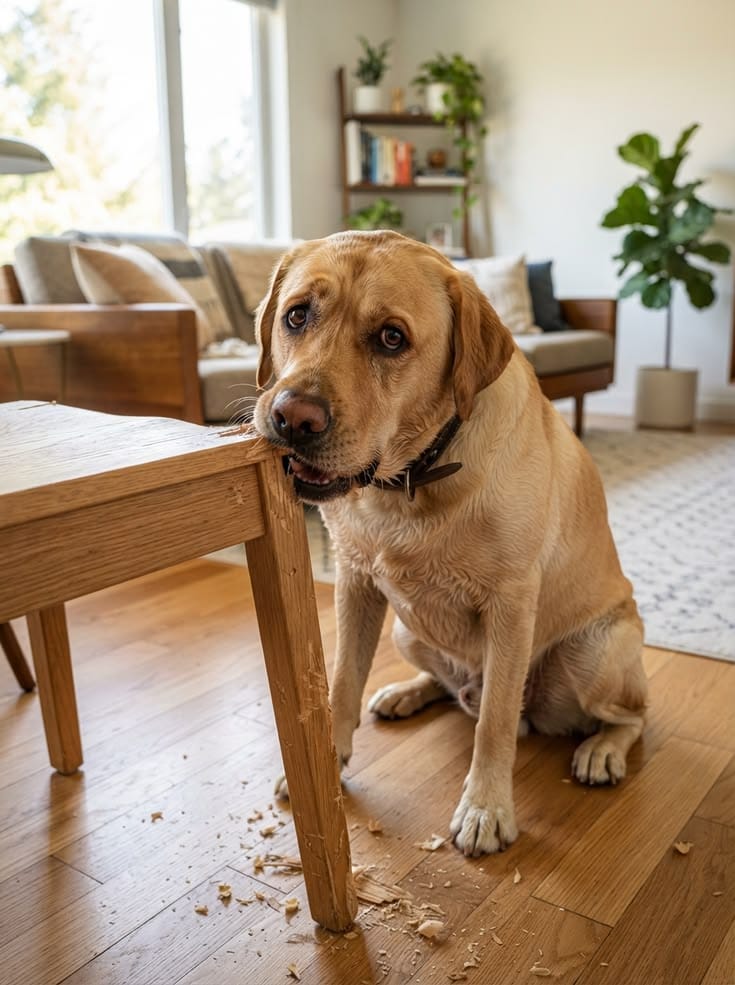
Table scraps, oily food, spoiled food, garbage, bones and unfamiliar treats may irritate the intestine or cause obstruction.
Parasites
Worms and protozoa may cause diarrhea, mucus, weight loss and poor growth, especially in puppies.
Infections
Bacterial or viral infections may cause diarrhea with vomiting, fever, poor appetite or lethargy.
Stress
Travel, boarding, grooming, a new pet or changes in routine can affect the gut.
Food Intolerance
Some dogs react to particular ingredients. Dietary trials should be planned with veterinary guidance.
Medicines or Disease
Antibiotics, pancreatitis, liver disease, kidney disease and other conditions may cause persistent or recurrent diarrhea.
- When Can Mild Diarrhea Be Observed?
A brief episode may be monitored closely in an otherwise healthy adult dog that remains active, drinks water and has a normal appetite, provided there is no vomiting, blood, pain or dehydration. If it continues, worsens or returns, contact a veterinarian.
- Warning Signs That Need Veterinary Attention
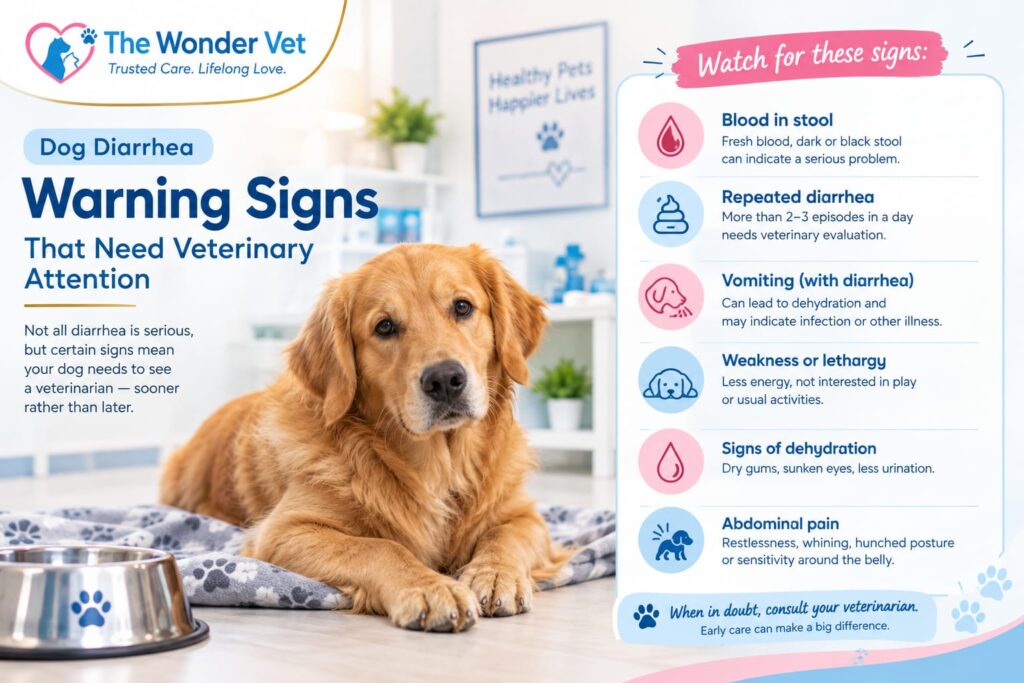
- Repeated or continuous watery diarrhea
- Blood in stool or black, tar-like stool
- Vomiting together with diarrhea
- Severe weakness, collapse or unusual sleepiness
- Refusal to drink or inability to keep water down
- Dry or pale gums, sunken eyes or dehydration
- Abdominal pain, bloating or repeated unproductive retching
- Fever, trembling or severe discomfort
- Diarrhea in a puppy, senior or medically fragile dog
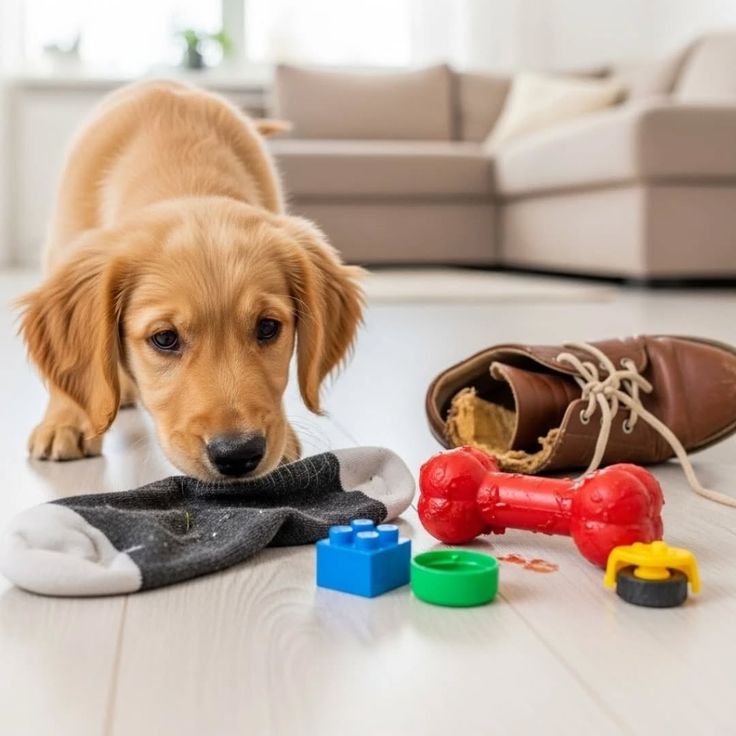
- Possible ingestion of poison, medicine, bone, toy or foreign object
- Why Puppies Need Extra Attention
Puppies can become dehydrated and weak much faster than healthy adults. Repeated diarrhea, poor appetite, vomiting, lethargy or blood in the stool should be assessed promptly.
- Diarrhea and Dehydration
Fluid and electrolyte loss is the main immediate concern. Keep fresh water available and monitor drinking, urination, energy and gum moisture. Do not force water into a weak or vomiting dog. Electrolyte products should be used only with veterinary advice.
- What Can Pet Parents Do at Home?
- Keep fresh drinking water available.
- Stop rich treats, oily food, table scraps and unfamiliar snacks.
- Avoid sudden diet changes.
- Prevent access to garbage, bones and unsafe objects.
- Record stool frequency, appearance and accompanying symptoms.
- Save a fresh stool sample if a veterinary visit is likely.
- Contact a veterinarian if diarrhea persists, worsens or is accompanied by warning signs.
- What Should You Avoid Giving Your Dog?
- Human anti-diarrheal medicines without veterinary instruction
- Antibiotics without diagnosis
- Painkillers or other human medicines
- Milk, oily or spicy food, bones and rich treats
- Unknown supplements or unverified home remedies
- What Information Should You Tell the Veterinarian?
- When the diarrhea started and how often it occurs
- Blood, mucus or unusual stool color
- Recent food changes or garbage ingestion
- Travel, boarding, grooming or stressful events
- Vaccination and deworming history
- Vomiting, fever, pain, weakness or reduced appetite
- All medicines, supplements and previous illnesses
- Why Diagnosis Matters
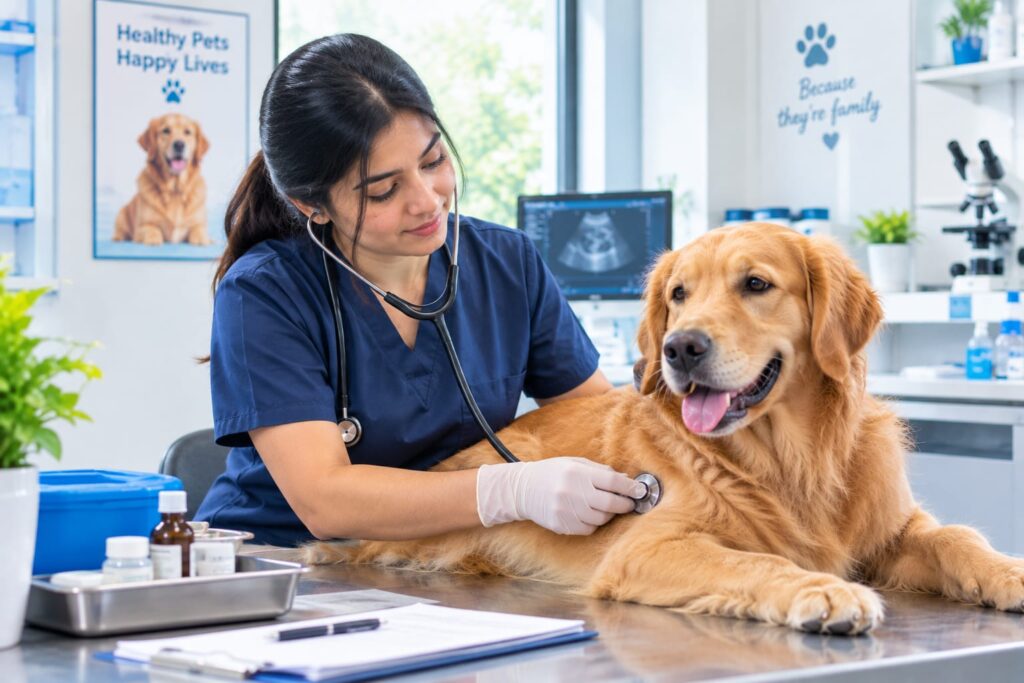
Diarrhea is a symptom, not one disease. Depending on the history and examination, a veterinarian may recommend stool testing, blood tests, hydration assessment, imaging or other investigations. Treatment depends on the underlying cause.
- Prevention Tips
- Introduce new food gradually.
- Use measured portions and limit treats.
- Maintain vaccination and deworming schedules.
- Prevent access to garbage, toxins, bones and small objects.
- Keep food and water bowls clean.
- Maintain hygiene when handling stool.
- Consult a veterinarian before changing therapeutic diets or starting supplements.
A Simple Rule for Pet Parents
|
ONE LOOSE STOOL DOES NOT ALWAYS MEAN AN EMERGENCY. |
|
REPEATED DIARRHEA + OTHER ABNORMAL SIGNS = VETERINARY ATTENTION. |
Final Thoughts
Dog diarrhea may be caused by something minor, but it can also be the first sign of a serious problem. Observe the complete picture, especially appetite, energy, hydration and accompanying symptoms. Early attention is particularly important for puppies, senior dogs and pets with existing medical conditions.
Doctor’s Note
“Pet parents should never ignore repeated diarrhea, especially when it is associated with vomiting, blood, poor appetite, weakness or dehydration. Careful observation and timely veterinary consultation can help identify the cause and prevent complications.”
— Dr. Ramiz Mondal
BVSc. & AH; MVSc. (Veterinary Nutrition)
Small Animal & Exotic Practitioner, Specialist in Veterinary Nutrition & Lifestyle
Registration Number: 3564/WBVC
SEO Publishing Details
SEO Title: Dog Diarrhea: Common Causes, Warning Signs & When to See a Veterinarian
Primary Keyword: dog diarrhea
Secondary Keywords: dog diarrhea causes; dog loose motion; dog diarrhea treatment; puppy diarrhea; when to see a vet for dog diarrhea
Suggested URL: dog-diarrhea-causes-warning-signs-when-to-see-vet
Meta Description: Learn the common causes of dog diarrhea, warning signs, dehydration risks, home-care precautions and when veterinary attention is necessary.
