
Congratulations! The decision to bring a furry companion into your home is a joyous one, embarking you on a journey filled with unconditional love, playful antics, and heartwarming snuggles. But before you open your doors to that adorable ball of fluff, there’s a world of preparation and thoughtful consideration to ensure a smooth transition for everyone. This premium guide will walk you through every essential step, transforming you into a confident and well-equipped pet parent.
The Foundation: Understanding Their Past
The first step in responsible pet adoption is often the most overlooked: understanding your potential new family member’s history. This isn’t just about curiosity; it’s about providing the best possible start.
1. “Watch History” Before Adoption: Before falling head-over-paws for those big, innocent eyes, inquire about the puppy or kitten’s background.
- For Shelter Animals: Ask about their surrender history, any known behavioral issues, past medical treatments, and how they interact with other animals and people in the shelter environment. Many shelters have detailed records.
- For Rescues: Rescue organizations often have foster parents who can provide invaluable insights into a pet’s personality, daily routine, house-training status (for puppies), and any quirks.
- For Breeders (if applicable): Reputable breeders will be transparent about the parents’ health history, genetic testing, temperament, and the puppy’s early socialization. Avoid breeders who are hesitant to share this information.
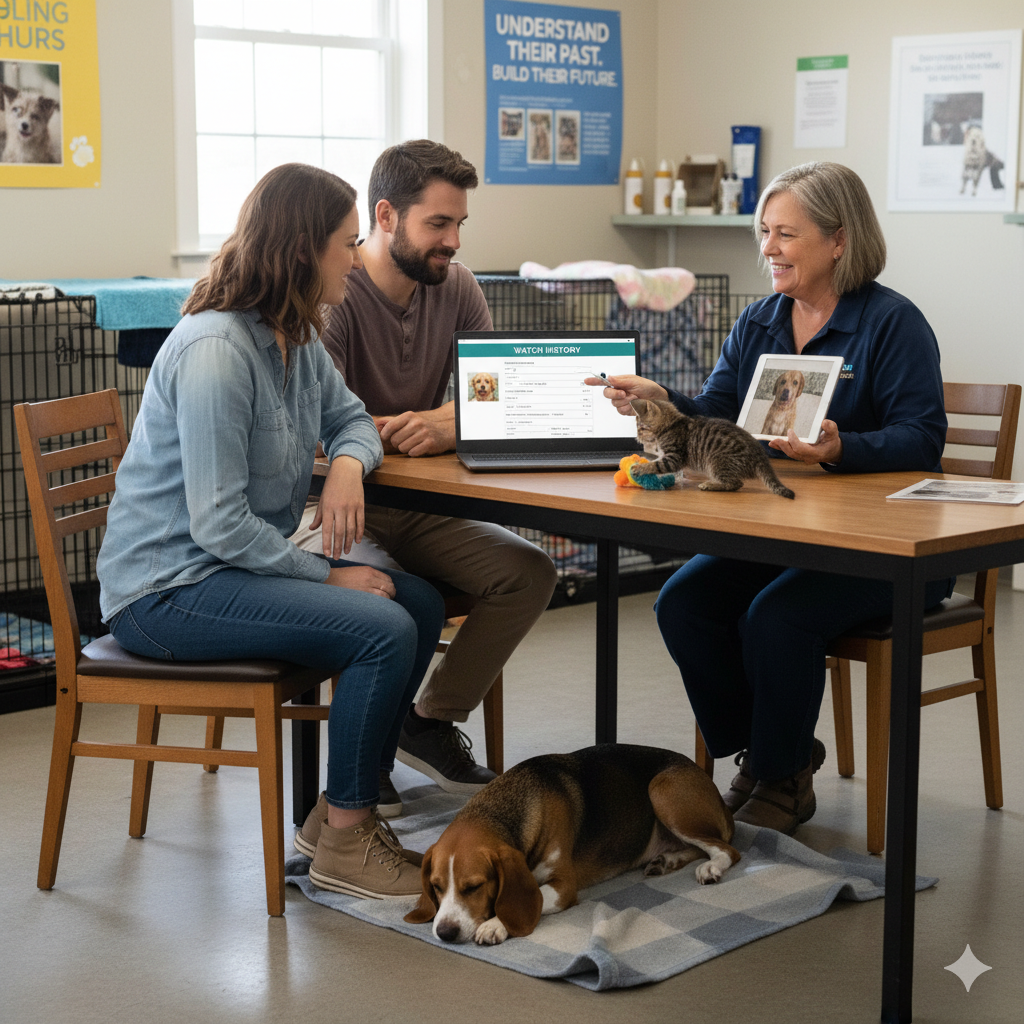
Understanding their past helps you anticipate potential challenges, identify existing training needs, and prepare for any specific medical requirements. It also gives you a head start on building trust and understanding.
The Health Check: Partnering with a Professional
Even if your new pet comes with a clean bill of health from the shelter or rescue, a fresh pair of eyes from your chosen veterinarian is paramount.
2. Consultation with a Doctor (Pre- and Post-Adoption):
Ideally, schedule a “meet and greet” with your vet before you finalize the adoption. This allows you to discuss the breed (if known), potential health concerns, and get answers to any questions you have. Once you bring your pet home, a comprehensive veterinary check-up should be one of your very first appointments.
- Initial Exam: Your vet will perform a thorough physical examination, checking for parasites (fleas, ticks, worms), ear infections, dental health, and overall condition.
- Vaccinations & Parasite Control: They’ll ensure your puppy or kitten is up-to-date on necessary vaccinations and start a parasite prevention program.
- Spaying/Neutering: Discuss the timing and benefits of spaying or neutering, if your pet hasn’t already had the procedure.
- Microchipping: This simple procedure significantly increases the chances of being reunited if your pet ever gets lost.
- Dietary Advice: Your vet can recommend appropriate food for your pet’s age, breed, and activity level.
- Behavioral Assessment: Bring up any initial behavioral observations; your vet can offer early advice.

Establishing a relationship with a trusted veterinarian is crucial for your pet’s long-term health and well-being.
The Welcome Wagon: Initial Care & Settling In
The first few days and weeks are critical for your new pet to adapt to their new surroundings and bond with you. Patience, consistency, and a calm environment are key.
3. Initial Care: Creating a Safe Haven
Your new puppy or kitten will likely feel a mix of excitement and anxiety. Creating a secure and comfortable space will ease their transition.
- Designated “Safe Zone”: Set up a quiet area with their bed, food and water bowls, and a few toys. For puppies, this might be a crate; for kittens, a small room or large carrier.
- Routines: Establish consistent feeding times, potty breaks (for puppies), and play sessions from day one. This predictability helps them feel secure.
- Gentle Introductions: If you have other pets, introduce them slowly and under supervision. Keep initial interactions short and positive.
- Supervision: Always supervise your new pet, especially puppies, to prevent accidents and guide them to appropriate behaviors.
- Positive Reinforcement: Reward good behavior with treats, praise, and gentle petting. Avoid punishment, which can create fear and anxiety.
- Potty Training (Puppies): Take your puppy outside frequently, especially after waking up, eating, and playing. Reward successful elimination outdoors.
- Litter Training (Kittens): Ensure the litter box is easily accessible, clean, and in a quiet location. Most kittens instinctively use a litter box.
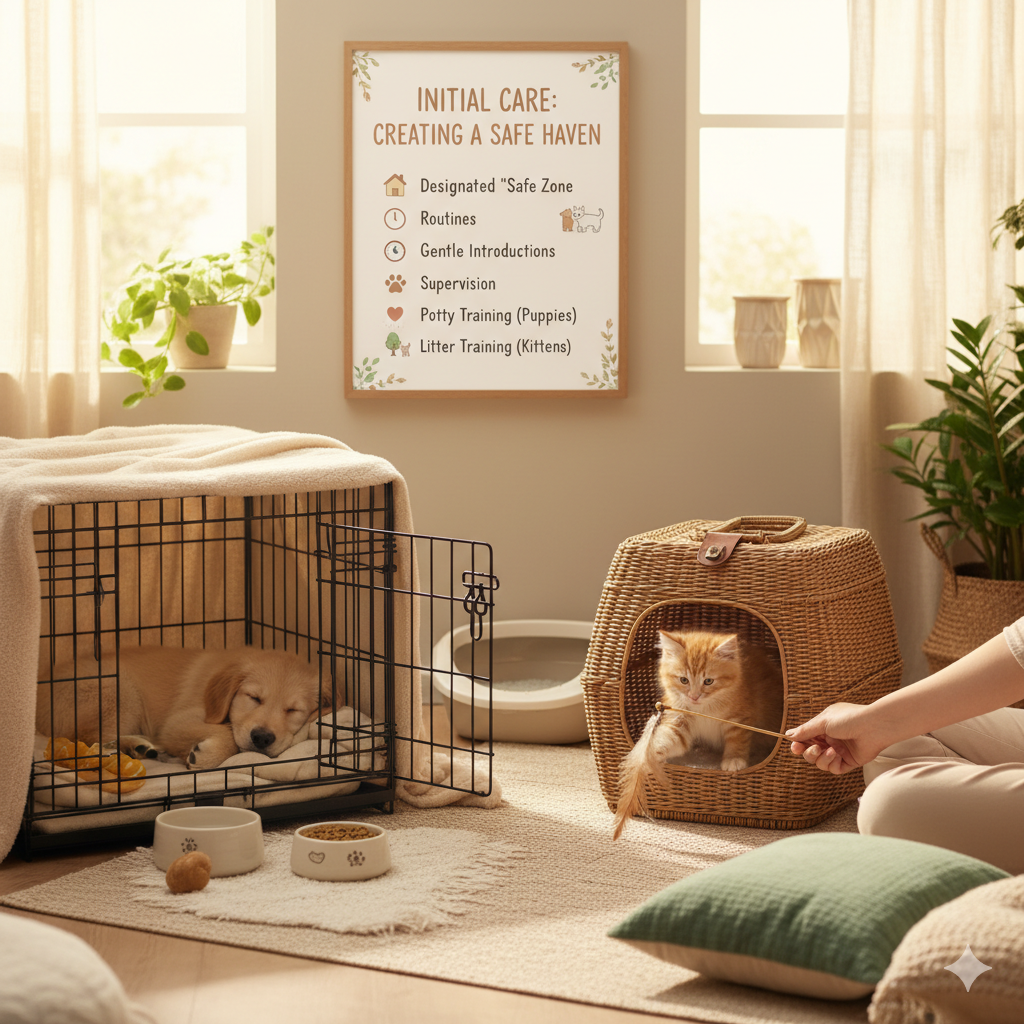
Remember that accidents will happen. Be patient, clean thoroughly, and continue with your positive training methods.
Understanding Their World: An Overview Analysis
Taking the time to observe and understand your new pet’s personality, habits, and communication signals will deepen your bond and allow you to address their needs effectively.
4. Overview Analysis: Decoding Your Companion
Spend time simply observing your puppy or kitten in their new environment.
- Behavioral Cues: Learn to recognize their body language. A wagging tail doesn’t always mean happiness in dogs; ears back and a tense body can indicate fear. For cats, a twitching tail or flattened ears can signal irritation.
- Energy Levels: Is your pet a couch potato or a boundless bundle of energy? This will influence their exercise needs.
- Play Style: Do they prefer chasing, tugging, or puzzle toys?
- Social Preferences: How do they react to strangers or other animals? Are they shy, outgoing, or aloof?
- Vocalization: What do their barks, meows, purrs, or whimpers mean in different contexts?
This ongoing “overview analysis” helps you tailor your interactions, training, and enrichment activities to your individual pet’s needs. If you notice persistent concerning behaviors, discuss them with your vet or a professional pet behaviorist.
Gearing Up: Essential Supplies
Before your new pet even sets a paw in your home, ensure you have all the necessary supplies to welcome them properly. A well-stocked home makes the transition smoother for everyone.
5. Purchase of Utilities & Essentials:
Think of this as setting up their personal toolkit for a happy and healthy life.
- Food & Water Bowls: Stainless steel or ceramic are often recommended for hygiene.
- High-Quality Pet Food: Appropriate for their age (puppy/kitten), size, and breed. Ask your vet for recommendations.
- Collar/Harness & Leash (for puppies): Ensure it’s a comfortable fit.
- Identification Tags: With your contact information, even if microchipped.
- Bed: A comfortable, washable bed where they can relax and feel safe.
- Crate (for puppies): A vital tool for house-training and creating a safe den.
- Litter Box & Litter (for kittens): Multiple boxes are often recommended for multi-cat households.
- Toys: A variety of safe, engaging toys to keep them mentally stimulated and prevent boredom.
- Grooming Supplies: Brush, nail clippers, pet-friendly shampoo.
- Training Treats: Small, high-value treats for positive reinforcement.
- Cleaning Supplies: Pet-safe enzyme cleaner for accidents.
- Travel Carrier: Essential for vet visits and safe transport.

Having these items ready before their arrival will reduce stress and allow you to focus on bonding with your new companion.
Bringing a puppy or kitten into your life is a profound and rewarding experience. By following these detailed steps, from understanding their history to setting up their safe haven and equipping yourself with the right tools, you’re not just adopting a pet – you’re building a loving, lifelong relationship. Welcome to the wonderful world of pet parenthood!
Here’s to many happy years with your new best friend!
