
Information by Dr. Ramiz Mondal
BVSc. & AH; MVSc. (Veterinary Nutrition)
Small Animal & Exotic Practitioner, Specialist in Veterinary Nutrition & Lifestyle
Registration Number: 3564/WBVC
Dogs communicate through behaviour, body language, facial expressions, vocalisation and changes in their daily habits. Sometimes, a dog may suddenly become quiet, irritable, fearful, unusually excited, aggressive or less interested in people and activities. These changes are often described as “mood swings.”
However, sudden behavioural changes should not always be considered a normal mood change. Pain, illness, stress, fear, hormonal changes, environmental factors or other medical conditions can influence a dog’s behaviour.
কুকুর মানুষের সঙ্গে শুধুমাত্র ডাক বা শব্দের মাধ্যমে যোগাযোগ করে না। তাদের আচরণ, শরীরের ভাষা, চোখ-মুখের অভিব্যক্তি, ঘেউ ঘেউ করা এবং দৈনন্দিন অভ্যাসের পরিবর্তন দিয়েও তারা নিজেদের অনুভূতি প্রকাশ করে।
কখনও একটি কুকুর হঠাৎ চুপচাপ হয়ে যেতে পারে, রেগে যেতে পারে, ভয় পেতে পারে, অতিরিক্ত উত্তেজিত হতে পারে অথবা পরিবারের মানুষের সঙ্গে আগের মতো মিশতে নাও চাইতে পারে। এগুলোকে সাধারণভাবে “mood swings” বলা হলেও, হঠাৎ আচরণ পরিবর্তনকে সবসময় শুধু মনের পরিবর্তন হিসেবে দেখা উচিত নয়।
ব্যথা, অসুস্থতা, ভয়, মানসিক চাপ, পরিবেশের পরিবর্তন, হরমোনজনিত সমস্যা বা অন্যান্য শারীরিক কারণেও কুকুরের আচরণ বদলে যেতে পারে।
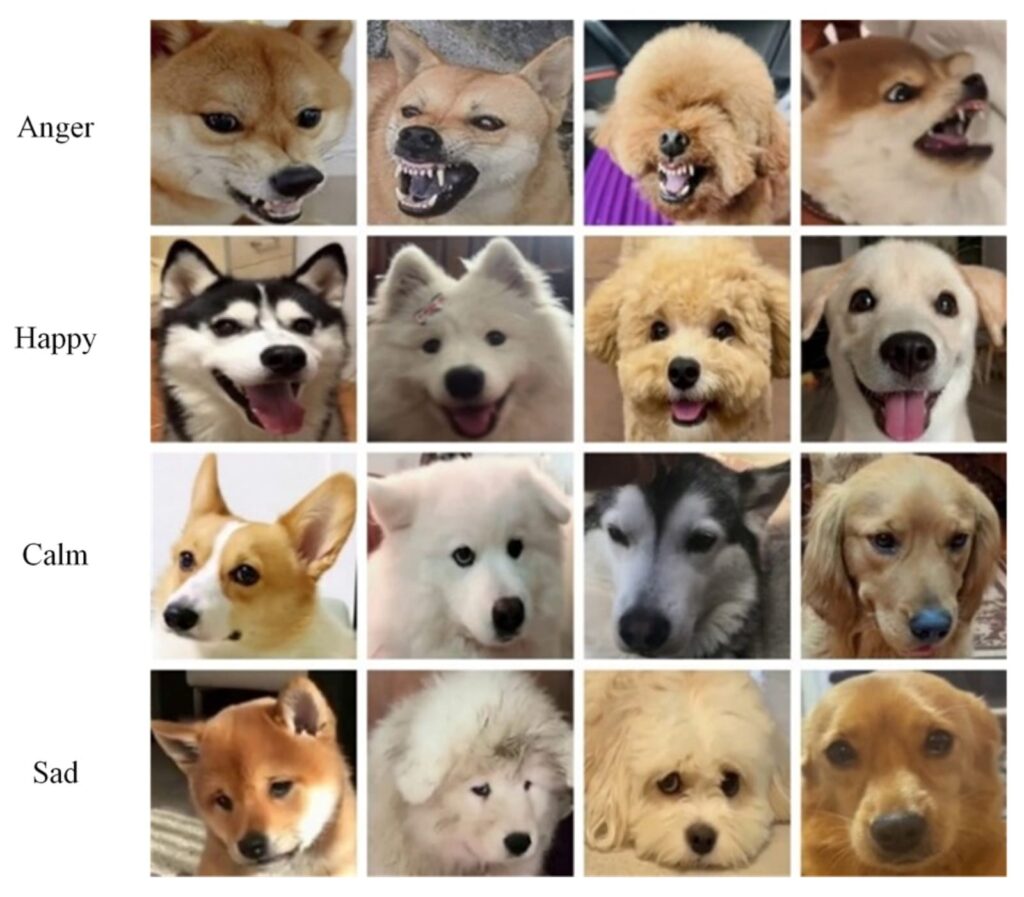
1. What can cause mood changes in dogs? (কুকুরের Mood Change-এর সম্ভাব্য কারণ )
- Common factors include:
– 🩺 Pain or illness: Dental problems, injuries, infections, skin problems or other illnesses may make a dog irritable or withdrawn.
– 🏠 Environmental changes: Moving house, new people, a new pet, loud construction or changes in routine can cause stress.
– 😨 Fear and anxiety: Thunderstorms, fireworks, unfamiliar people or previous negative experiences may trigger fearful behaviour.
– 🍽️ Changes in routine: Alterations in feeding, exercise, sleep or daily interaction can affect behaviour.
– 🐕 Social factors: Lack of appropriate socialisation or stressful interactions with other animals may contribute to behavioural changes.
– 🧬 Age-related changes: Senior dogs can experience behavioural changes associated with ageing and cognitive decline.
– ⚕️ Medical or hormonal conditions: Certain medical problems may present partly through behavioural changes.
🩺 ব্যথা বা অসুস্থতা: দাঁতের সমস্যা, আঘাত, সংক্রমণ, ত্বকের সমস্যা বা অন্যান্য শারীরিক অসুস্থতার কারণে কুকুর বিরক্ত, চুপচাপ বা আক্রমণাত্মক আচরণ করতে পারে।
🏠 পরিবেশের পরিবর্তন: বাড়ি পরিবর্তন, নতুন মানুষ বা নতুন পোষ্য আসা, নির্মাণকাজের শব্দ কিংবা দৈনন্দিন রুটিন পরিবর্তন কুকুরের মধ্যে stress তৈরি করতে পারে।
😨 ভয় ও Anxiety: বাজি, বজ্রপাত, অপরিচিত মানুষ, অন্য প্রাণী বা পূর্বের খারাপ অভিজ্ঞতা কুকুরের আচরণে পরিবর্তন আনতে পারে।
🍽️ দৈনন্দিন রুটিনের পরিবর্তন: খাবার, ঘুম, exercise বা পরিবারের সদস্যদের সঙ্গে interaction-এর সময় পরিবর্তিত হলেও কিছু কুকুরের আচরণে প্রভাব পড়তে পারে।
🐕 Socialisation-এর সমস্যা: যথাযথ socialisation না হওয়া বা অন্য প্রাণীর সঙ্গে stressful interaction থেকেও behavioural problem তৈরি হতে পারে।
🧬 বয়সজনিত পরিবর্তন: বয়স্ক কুকুরের ক্ষেত্রে ageing-এর সঙ্গে আচরণগত পরিবর্তন দেখা দিতে পারে।
⚕️ শারীরিক বা হরমোনজনিত কারণ: কিছু medical বা hormonal condition-এর প্রথম লক্ষণ হিসেবে behavioural change দেখা দিতে পারে।
2. Signs owners should observe? ( কোন লক্ষণগুলো লক্ষ্য করবেন )
Pet parents should pay attention to changes such as:
– Sudden aggression or unusual irritability
– Excessive barking or whining– Hiding or avoiding family members
– Loss of interest in play
– Unusual restlessness or pacing
– Changes in appetite or drinking
– Changes in sleeping patterns
– Excessive licking or scratching
– Fear of being touched
– Sudden destructive behaviour
– Reduced interaction with familiar people
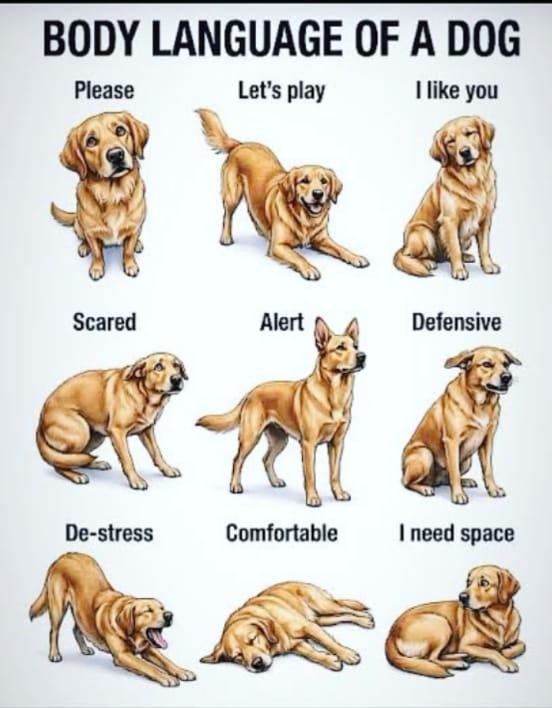
Pet parent হিসেবে লক্ষ্য করুন কুকুরের মধ্যে—
– হঠাৎ aggression বা অতিরিক্ত রাগ
– অস্বাভাবিকভাবে বেশি barking বা whining
– পরিবারের সদস্যদের এড়িয়ে চলা
– খেলাধুলায় আগ্রহ কমে যাওয়া
– অস্থিরভাবে হাঁটাহাঁটি করা
– খাবার বা পানি খাওয়ার পরিবর্তন
– ঘুমের অভ্যাস বদলে যাওয়া
– অতিরিক্ত চাটা বা scratching
– শরীর স্পর্শ করলে বিরক্ত হওয়া
– হঠাৎ destructive behaviour
– পরিচিত মানুষের সঙ্গে interaction কমে যাওয়া

3.What should a pet parent do? ( Pet Parent কী করবেন )
First, remain calm. Do not punish or physically restrain a dog simply because its behaviour has changed.
Observe when the behaviour started and whether anything happened before it. Maintain a predictable routine, provide a quiet and safe space, and avoid situations that clearly increase fear or agitation.
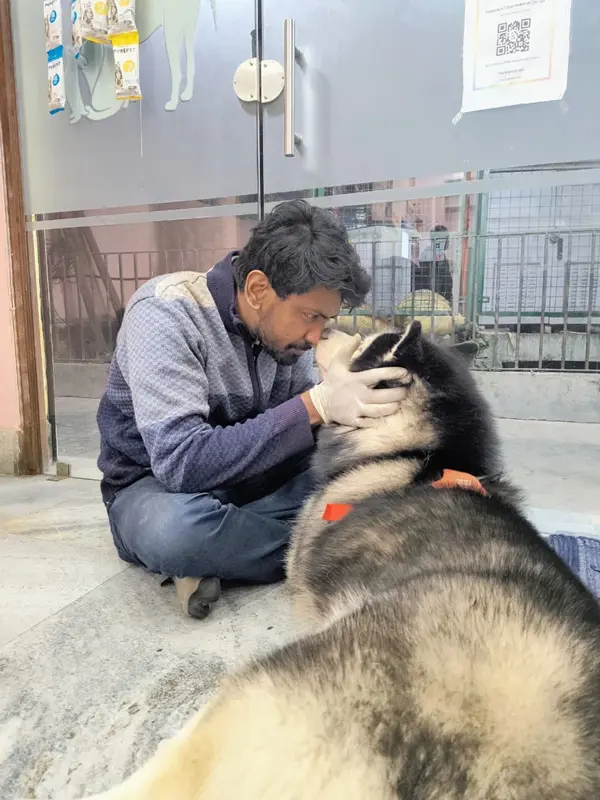
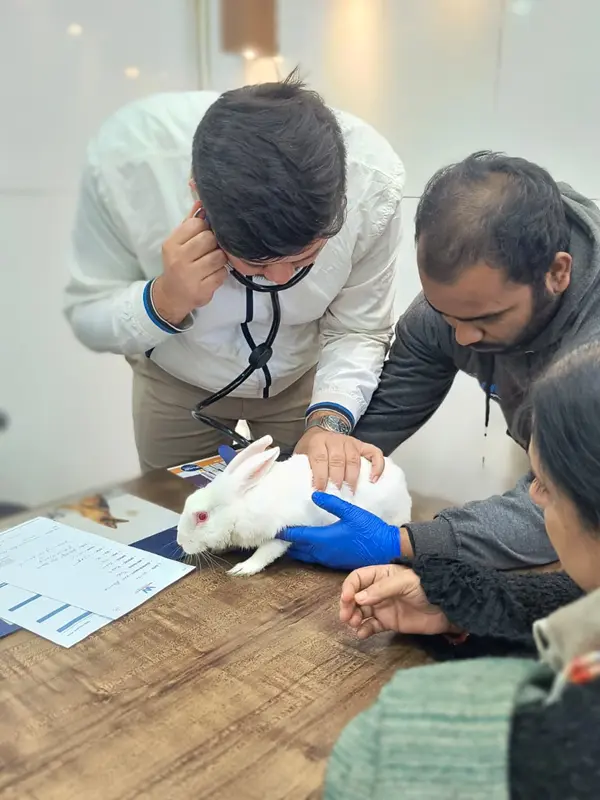
If the change is sudden, severe, persistent, or associated with physical symptoms, a veterinary examination is recommended. Behavioural problems can sometimes be the first visible sign of an underlying medical issue.
প্রথমে শান্ত থাকুন। আচরণ পরিবর্তনের জন্য কুকুরকে মারধর, ভয় দেখানো বা শাস্তি দেওয়া উচিত নয়।
কখন থেকে পরিবর্তন শুরু হয়েছে এবং তার আগে কোনো বিশেষ ঘটনা ঘটেছিল কি না তা লক্ষ্য করুন।
কুকুরের জন্য একটি নিরাপদ ও শান্ত জায়গা তৈরি করুন এবং নিয়মিত খাবার, বিশ্রাম ও exercise-এর routine বজায় রাখার চেষ্টা করুন।
যদি আচরণের পরিবর্তন হঠাৎ, খুব বেশি, দীর্ঘস্থায়ী হয় অথবা শারীরিক অসুস্থতার লক্ষণের সঙ্গে দেখা দেয়, তাহলে veterinary examination করানো গুরুত্বপূর্ণ।
4. When is veterinary attention important? (কখন দ্রুত Veterinary Advice নেওয়া উচিত?)
- Seek veterinary advice promptly if your dog develops:
– Sudden unexplained aggression
– Severe lethargy or weakness
– Difficulty walking or obvious pain
– Repeated vomiting or diarrhoea
– Seizures or unusual neurological behaviour
– Significant appetite or water-intake changes
– Disorientation or abnormal responsiveness
– Any behaviour that creates a serious risk to people or other animals
- নিচের লক্ষণ থাকলে দ্রুত veterinary consultation নেওয়া উচিত:
– হঠাৎ অকারণ aggression
– অতিরিক্ত দুর্বল বা নিস্তেজ হয়ে যাওয়া
– হাঁটতে সমস্যা বা স্পষ্ট ব্যথার লক্ষণ
– বারবার vomiting বা diarrhoea
– seizure বা অস্বাভাবিক neurological behaviour
– খাবার বা পানি খাওয়ায় উল্লেখযোগ্য পরিবর্তন
– confused বা অস্বাভাবিকভাবে response করা
– এমন aggression বা behaviour যা মানুষ বা অন্য প্রাণীর জন্য বিপজ্জনক
- Dr. Ramiz Mondal’s Professional Advice:-
“A change in behaviour is communication. Before assuming that your dog is simply having a bad mood, we should consider pain, illness, fear, stress and environmental changes. Understanding the cause is more important than punishing the behaviour.”
Every dog is an individual. The best approach is to observe carefully, avoid punishment, identify possible triggers and seek professional veterinary guidance when necessary.
- Dr. Ramiz Mondal-এর পরামর্শ:-
“কুকুরের আচরণের পরিবর্তনকে শুধু রাগ বা mood swing হিসেবে না দেখে, তার পেছনে ব্যথা, অসুস্থতা, ভয়, stress বা পরিবেশগত কারণ আছে কি না তা বোঝার চেষ্টা করা উচিত। আচরণকে শাস্তি দেওয়ার চেয়ে তার কারণ খুঁজে বের করা বেশি গুরুত্বপূর্ণ।”
প্রতিটি কুকুর আলাদা। তাই ধৈর্য, নিরাপদ পরিবেশ, সঠিক observation এবং প্রয়োজনে veterinary guidance—এই চারটি বিষয় অত্যন্ত গুরুত্বপূর্ণ।
🐾 Final Message
Healthy behaviour starts with understanding.
Give your dog patience, safety, regular care and appropriate veterinary attention.

🐾 শেষ কথা
কুকুরের ভালো আচরণের শুরু হয় তাকে বোঝার মাধ্যমে।
আপনার পোষ্যকে সময় দিন, নিরাপদ পরিবেশ দিন এবং প্রয়োজন হলে সঠিক veterinary care নিন।
