
Winter can be a comfortable and enjoyable season for us, but colder weather can sometimes create challenges for our dogs’ skin and coat.
Lower humidity, dry air, frequent bathing, hot water, indoor heating, and changes in grooming routines may contribute to dryness, flaking, itching, and irritation in some dogs.
As a pet parent, you may notice your dog scratching more than usual, developing dandruff-like flakes, licking certain areas repeatedly, or losing some of the natural shine of their coat.
However, it is important to remember that not every skin problem during winter is simply “dry skin.” Allergies, fleas and ticks, bacterial or fungal infections, and other dermatological conditions can produce similar symptoms.
That is why appropriate skin care and careful observation are important throughout the winter months.
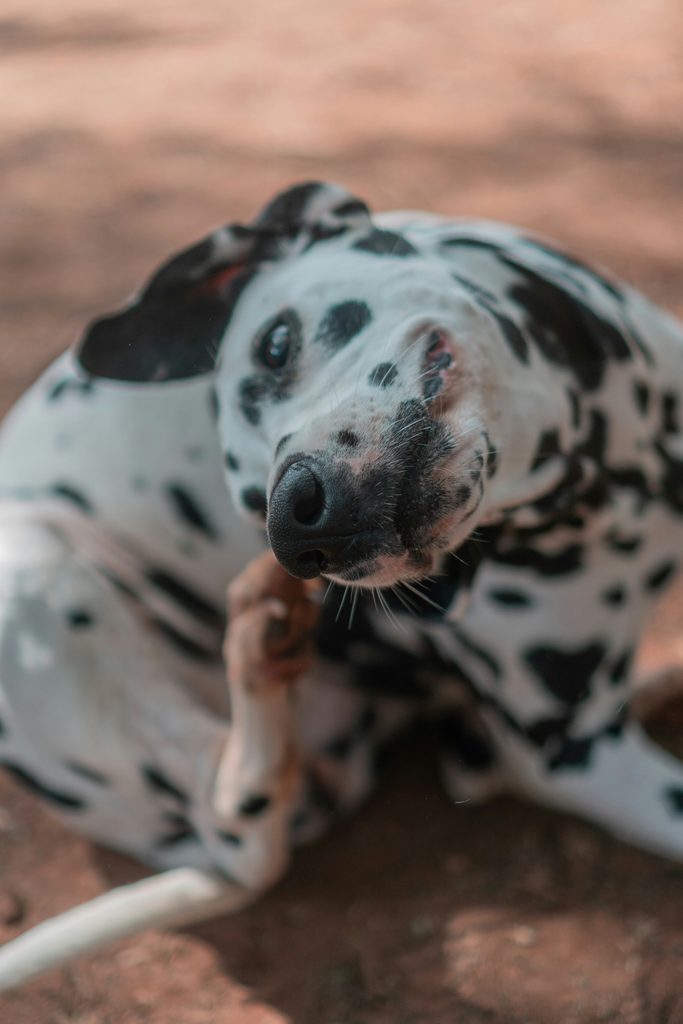
Why Does Your Dog’s Skin Become Dry in Winter?
Cold weather is often associated with lower humidity. This can affect the skin’s natural moisture balance and may make some dogs more prone to dryness.
Common signs may include:
– Dry or rough skin
– White flakes or dandruff-like scaling
– Increased scratching
– Mild redness
– Excessive licking
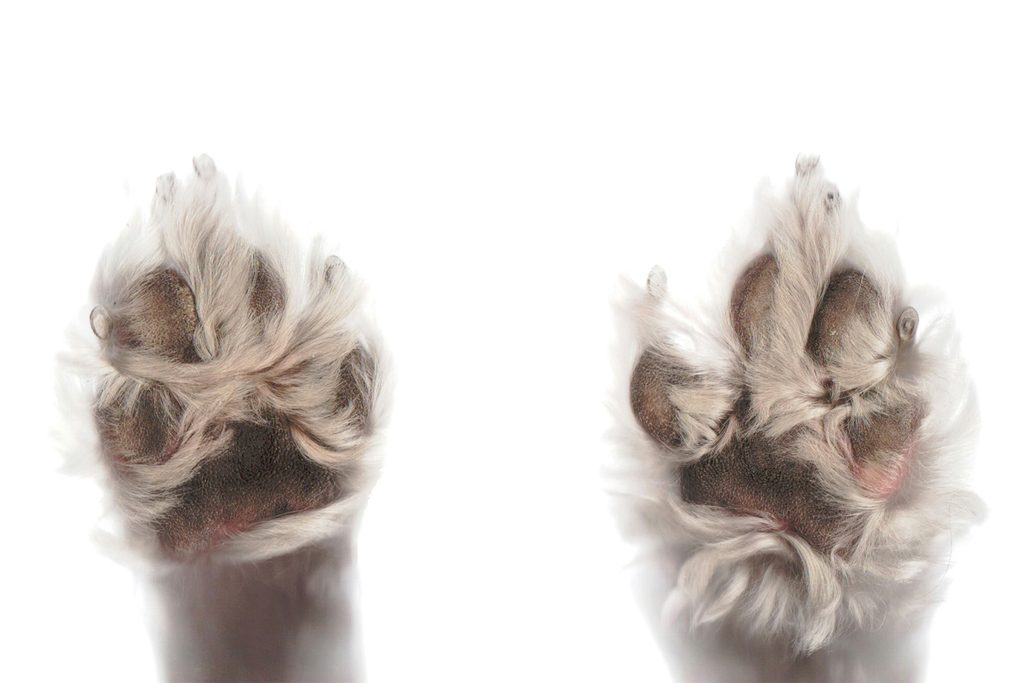
– Rough or dry paw pads
– Reduced coat shineThe severity can vary from one dog to another depending on their breed, coat type, age, nutrition, environment, and overall health.
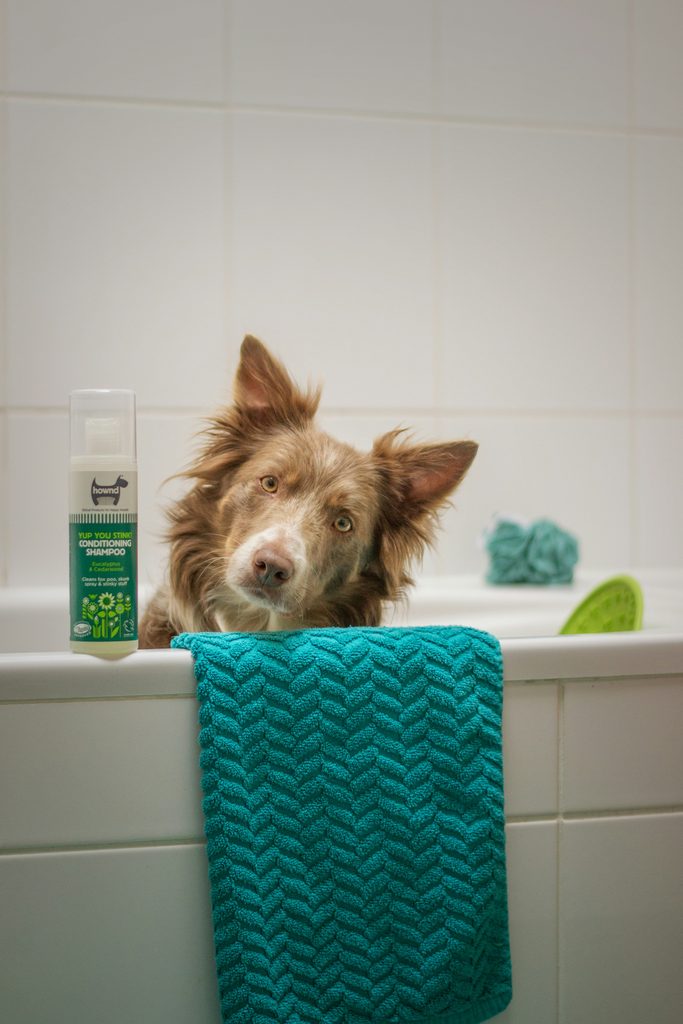
 1. Avoid Over-Bathing
Keeping your dog clean is important, but bathing too frequently may remove some of the skin's natural protective oils
During winter, avoid unnecessary bathing and use a dog-specific shampoo that is appropriate for your pet’s skin and coat.
Remember:
✔️ Use products specifically formulated for dogs
✔️ Follow appropriate bathing frequency for your pet
✔️ Avoid human shampoo and household soaps
✔️ Rinse thoroughly
✔️ Dry the coat completely after bathing
Your veterinarian can recommend an appropriate grooming routine if your dog has recurrent dryness, allergies, or other skin problems.
 2. Staying Hydrated Is Essential for Overall Health and Well-being
Dogs may sometimes drink less water during colder weather compared with warmer months. Nevertheless, adequate hydration remains important for overall health.Make sure your dog has access to fresh, clean drinking water throughout the day
However, applying oil, cream, or moisturiser externally does not automatically solve every skin problem. Healthy skin depends on several factors, including hydration, nutrition, grooming, environment, and underlying health conditions.—
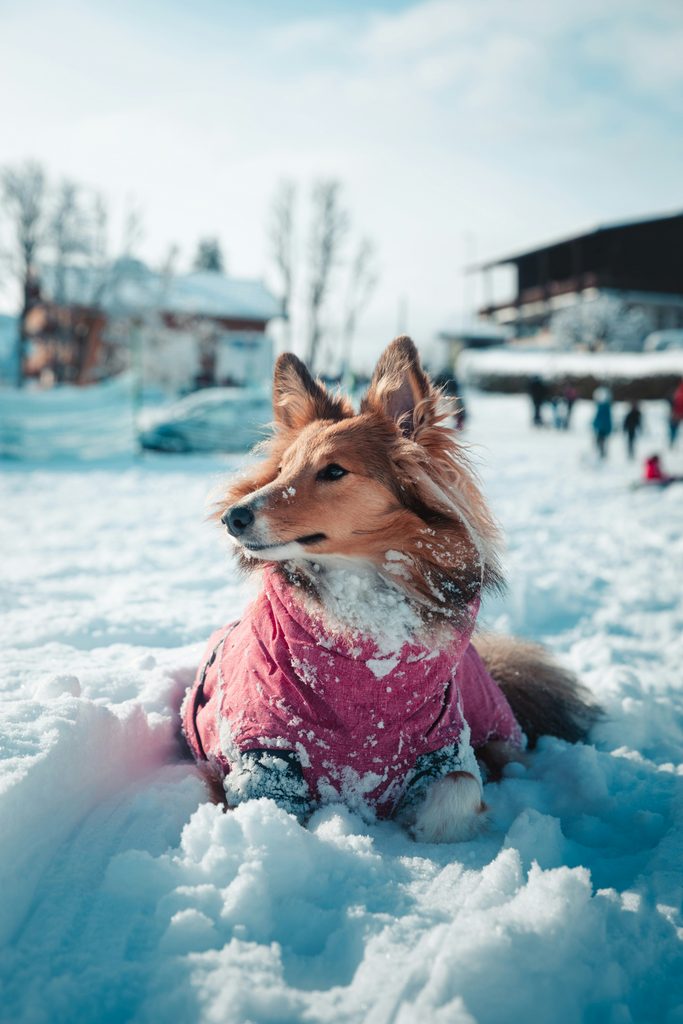
3. Nutrition Plays a Big Role
Healthy skin and a shiny coat begin with a balanced and appropriate diet.
Adequate protein, essential fatty acids, vitamins, minerals, and other nutrients all contribute to maintaining healthy skin and coat.
However, more supplements do not necessarily mean healthier skin.
Products such as omega-3 supplements may be useful in certain situations, but they are not automatically necessary for every dog.
Before introducing supplements, discuss your pet’s diet, health status, body condition, and individual nutritional requirements with a veterinarian.
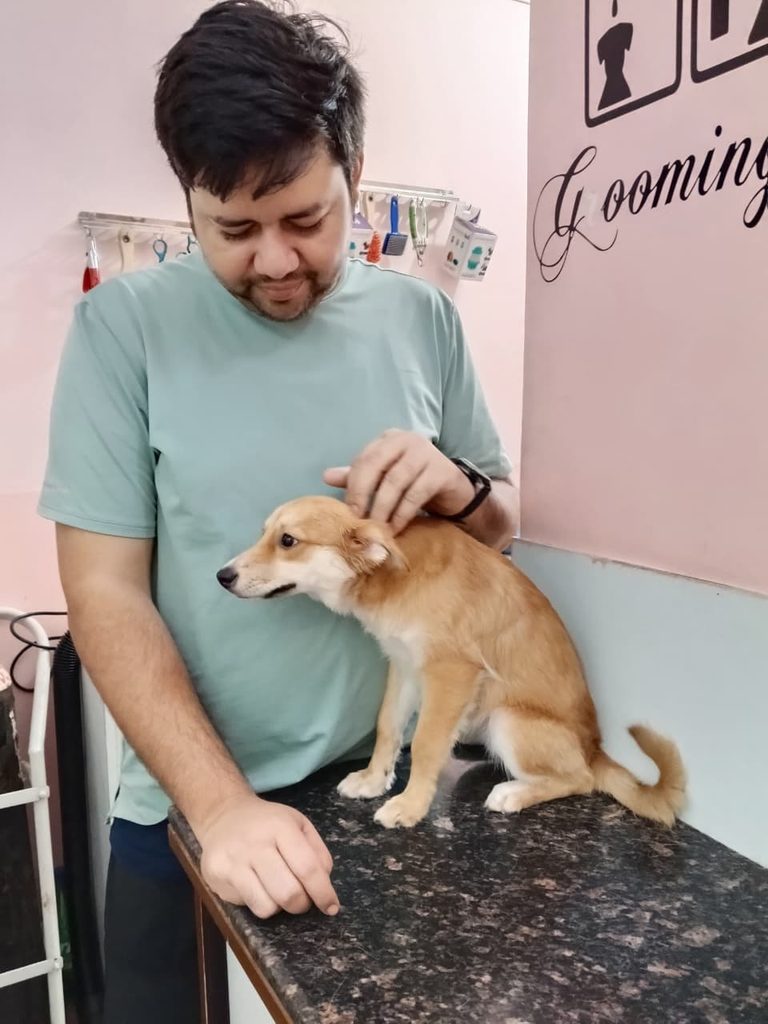
4. Don't Forget the Paws
Winter care should not stop at the skin and coat. Your dog’s paw pads also deserve attention.
After outdoor walks, gently check and clean the paws and make sure they are properly dried.
Watch for:
– Excessive dryness
– Cracks
– Bleeding
– Swelling
– Persistent paw licking
– Discomfort while walking
Do not use human moisturisers or medicated creams on your dog’s paws without veterinary advice.
If the paw pads become painful, cracked, infected, or repeatedly irritated, veterinary assessment may be appropriate.
 When Is It More Than Just “Winter Dryness”?
If your dog exhibits any of the following signs, it’s important not to simply attribute them to seasonal dryness: Persistent or severe itching that doesn’t subside Excessive licking or biting of affected areas Red or inflamed skin that appears irritated Unpleasant odour coming from the skin surface Hair loss or distinctive bald patches on the body Wounds or bleeding that may require medical attention Recurrent ear problems occurring frequently Flea or tick infestations causing discomfort and irritation Sudden changes in skin colour, texture, or overall appearance Symptoms that are not improving over time
These types of signs can indicate underlying issues such as allergies, parasites, infections, or other dermatological conditions. A proper veterinary examination is essential for accurate diagnosis and treatment, making it crucial for your dog’s health and well-being.
The Winter Skin Care Formula
A simple routine can help you remember the essentials:
CLEAN + DRY + HYDRATE + NUTRITION + OBSERVE
CLEAN
Maintain an appropriate grooming and bathing routine.
DRY
Dry your dog’s coat and paws properly after bathing or outdoor activities.
HYDRATE
Provide fresh drinking water every day.
NUTRITION
Feed a balanced diet appropriate for your dog’s individual needs.
OBSERVE
Regularly check the skin, coat, ears, paws, and overall behaviour for unusual changes.
Final Thoughts
Winter skin care is not simply about making your dog’s coat look shiny.
Healthy skin is an important part of your pet’s overall wellbeing, and changes in the skin or coat can sometimes provide early clues about an underlying problem.
This winter, give your dog a little extra attention through appropriate grooming, balanced nutrition, adequate hydration, paw care, and regular observation.
And if you notice persistent itching, hair loss, redness, wounds, unusual odour, or any other concerning change, do not rely solely on home remedies or self-medication. Seek advice from a qualified veterinarian.
Because healthy skin is not just about looking good—
It is part of keeping your pet healthy, comfortable, and happy. 🐾
 Doctor’s Note
This article is intended for general education and awareness among pet parents. It should not be considered a substitute for the diagnosis or treatment plan of any individual pet. Each pet has unique characteristics, including age, breed, diet, medical history, and clinical conditions that can vary significantly. Therefore, if your pet exhibits persistent or concerning symptoms, it is crucial to consult with a qualified veterinarian. Their expertise will provide appropriate guidance and ensure the health and well-being of your beloved companion.
Written by: Dr. Ramiz Mondal, BVSc. & AH; MVSc. (Veterinary Nutrition) Registration Number: 3564/WBVC
Small Animal & Exotic Practitioner, Specialist in Veterinary Nutrition & Lifestyle
https://youtube.com/shorts/JnwskG0Bch0?si=crxaFmIAlhn5lFWM “You can check out related videos on this topic if you’d like.”
